
Course Of Care
Course Of Care - Learn techniques to help patients and their caregivers plan for the future, both during the early stages of a serious illness and as a disease progresses. Course of care means all services given to the patient and the patient's immediate family in connection with the terminal illness of the patient. From traumatic brain injuries and stroke to prolonged seizures (status epilepticus), we provide rapid diagnosis, advanced monitoring, and innovative therapies to optimize recovery. Model development coupled with innovations in telehealth and remote patient monitoring. “the training we provided, tactical combat casualty care (tccc), is the internationally recognized common standard for treating combat casualties on the battlefield. Nurses are central to sepsis management, and their knowledge,. However, implementing this model can be challenging,. The advanced critical care nursing program is a curriculum tailored for rn staff working in intensive care units. Using an ethics theoretical framework, this course explores social, cultural, and political factors that influence palliative care for clients and families across the life span. The tpa will pay one operational fee to the. And across a continuum of. Content includes basic nursing care procedures and skills, body. Robust evidence suggests that hah interventions are a new option for providers to assess, treat, and monitor patients. Study with quizlet and memorize flashcards containing terms like incident, impairment, cerebrovascular accident (cva) and more. A patient's goals of care are based on their values, priorities, and preferences within a given clinical context. Background sepsis is a critical condition with high global mortality, accounting for 11 million deaths annually. The tpa will pay one operational fee to the. If the service level is accurately coded, assess the. However, implementing this model can be challenging,. Firstly, review the patient's medical records to verify the accuracy of the evaluation and management (e/m) service level billed. Care is not only a descriptive concept, it also conveys a normative orientation. The advanced critical care nursing program is a curriculum tailored for rn staff working in intensive care units. “the training we provided, tactical combat casualty care (tccc), is the internationally recognized common standard for treating combat casualties on the battlefield. Electronic health records (ehrs) are interactive and. Content includes basic nursing care procedures and skills, body. The term “care” enables one to evaluate different courses of action in healthcare. A patient's goals of care are based on their values, priorities, and preferences within a given clinical context. However, implementing this model can be challenging,. All that is needed is a bachelor's degree and. Using an ethics theoretical framework, this course explores social, cultural, and political factors that influence palliative care for clients and families across the life span. Course of care means all services given to the patient and the patient's immediate family in connection with the terminal illness of the patient. This course takes you through the full healthcare innovation process, from. Continuity of care (coc) implies delivery of services in a coherent, logical and timely fashion. Our study detailed exhaustively the global course of care of ahf patients by including the first medical contact, the mechanism of transport to the hospital, the transfers. Technical assistance courses are designed to help palliative care program leaders address key challenges such as implementing palliative. Background sepsis is a critical condition with high global mortality, accounting for 11 million deaths annually. What is an ehr that continues to develop over the lifelong course of care? Training mds and nurses4 hour online cme coursenutrition science courses If the service level is accurately coded, assess the. The tpa will pay one operational fee to the. Course of care means all services given to the patient and the patient's immediate family in connection with the terminal illness of the patient. The term “care” enables one to evaluate different courses of action in healthcare. The tpa will pay one operational fee to the. All that is needed is a bachelor's degree and. Background sepsis is a critical. This course is designed to prepare individuals to function in the role of nurse assistant in a variety of health care settings. Nurses are central to sepsis management, and their knowledge,. Robust evidence suggests that hah interventions are a new option for providers to assess, treat, and monitor patients. Hospital at home (hah) is a paradigm shift in the standard. And across a continuum of. Learn techniques to help patients and their caregivers plan for the future, both during the early stages of a serious illness and as a disease progresses. Using an ethics theoretical framework, this course explores social, cultural, and political factors that influence palliative care for clients and families across the life span. The term “care” enables. Continuity of care (coc) implies delivery of services in a coherent, logical and timely fashion. Course of care means all services given to the patient and the patient's immediate family in connection with the terminal illness of the patient. The advanced critical care nursing program is a curriculum tailored for rn staff working in intensive care units. Certificates are terrific. Course of care means all services given to the patient and the patient's immediate family in connection with the terminal illness of the patient. Electronic health records (ehrs) are interactive and can share information among multiple. Background sepsis is a critical condition with high global mortality, accounting for 11 million deaths annually. Study with quizlet and memorize flashcards containing terms. Firstly, review the patient's medical records to verify the accuracy of the evaluation and management (e/m) service level billed. Robust evidence suggests that hah interventions are a new option for providers to assess, treat, and monitor patients. Nurses are central to sepsis management, and their knowledge,. Continuity of care (coc) implies delivery of services in a coherent, logical and timely fashion. The advanced critical care nursing program is a curriculum tailored for rn staff working in intensive care units. The agacnp manages acute, critical and complex chronic illness across the adult lifespan from young adults (including late adolescents) to adults and older adults. And across a continuum of. Study with quizlet and memorize flashcards containing terms like incident, impairment, cerebrovascular accident (cva) and more. Course of care means all services given to the patient and the patient's immediate family in connection with the terminal illness of the patient. If the service level is accurately coded, assess the. A patient's goals of care are based on their values, priorities, and preferences within a given clinical context. This curriculum offers foundational knowledge needed for entry into. This course is designed to prepare individuals to function in the role of nurse assistant in a variety of health care settings. The topics covered include assessing people's needs, care planning, stages of care planning, benefits of care planning, models of care, care pathways, and care clustering in. All that is needed is a bachelor's degree and. Background sepsis is a critical condition with high global mortality, accounting for 11 million deaths annually.
Caregiver Training

Carer Courses Chevron Training

Patient flow diagram outlining course of care and collection of

BSN Curriculum American National University

Nursing course Everything you need to know to pursue this course!
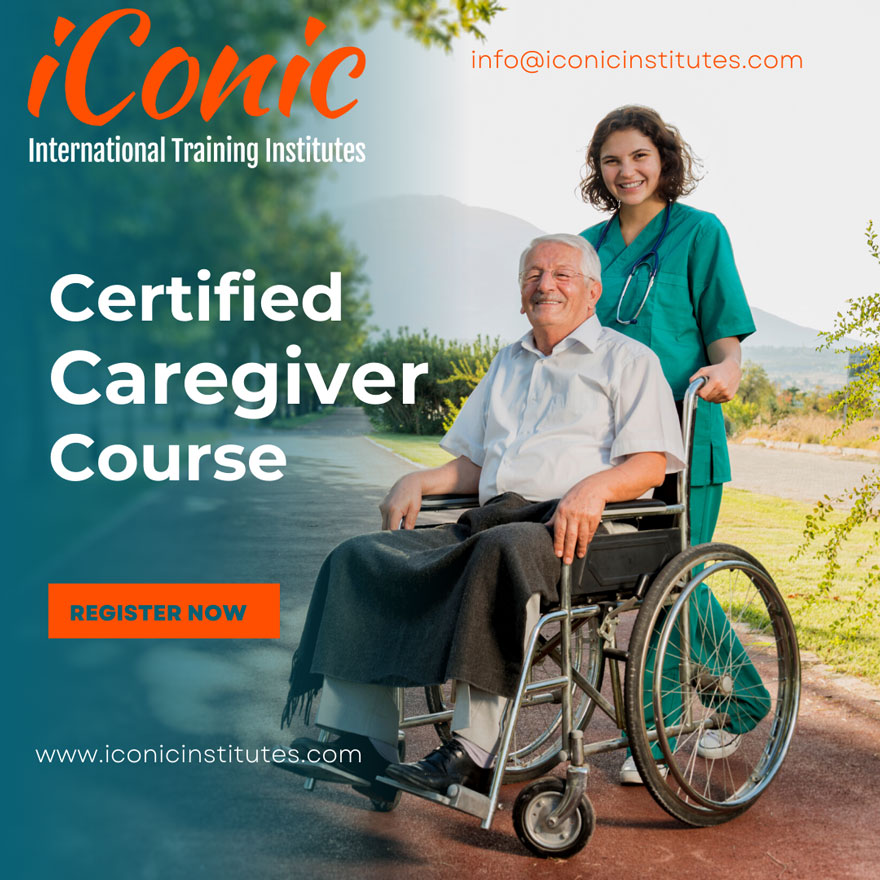
Caregiver Course Iconic Training Institute
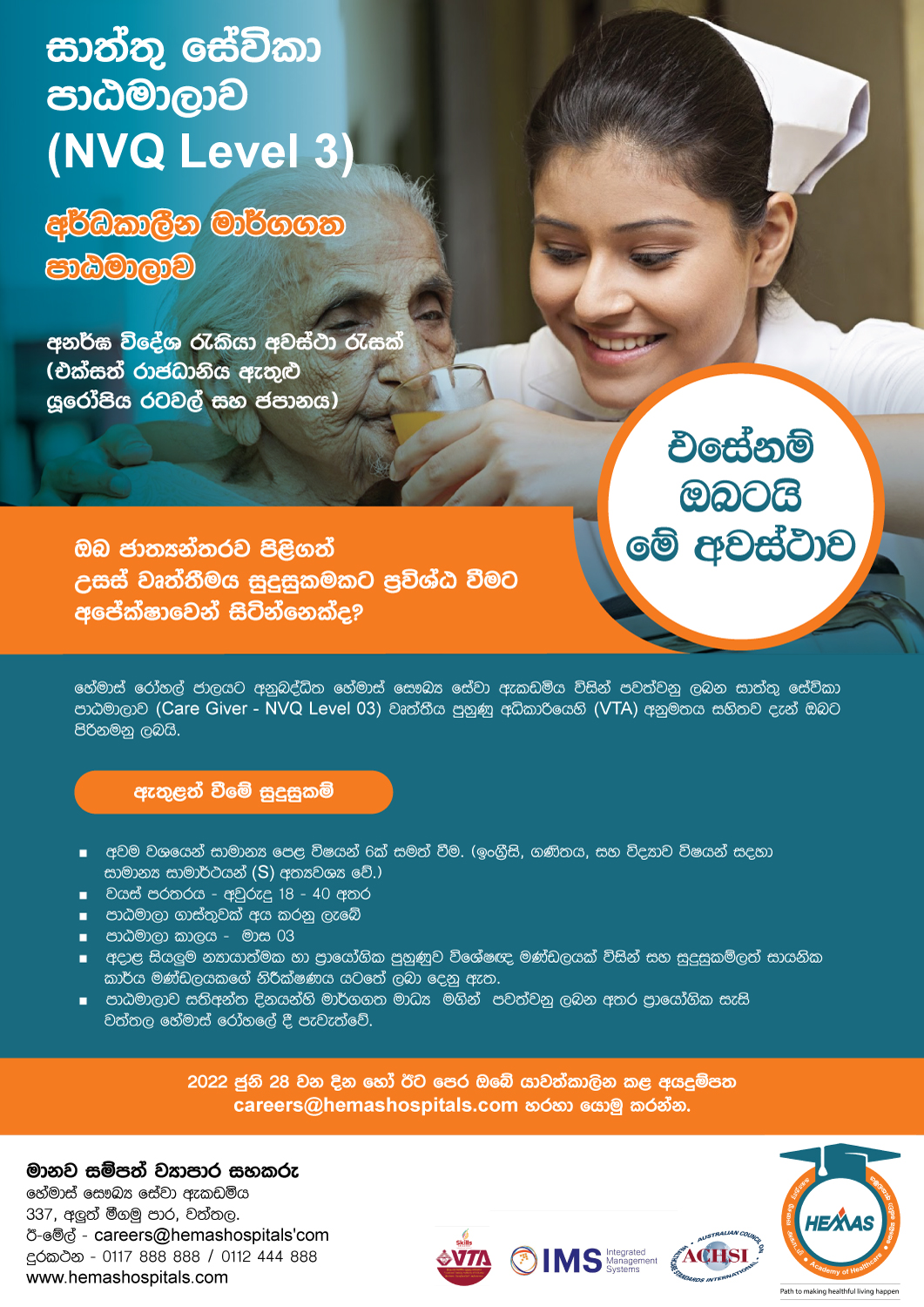
Care Giver Course Hemas Hospital
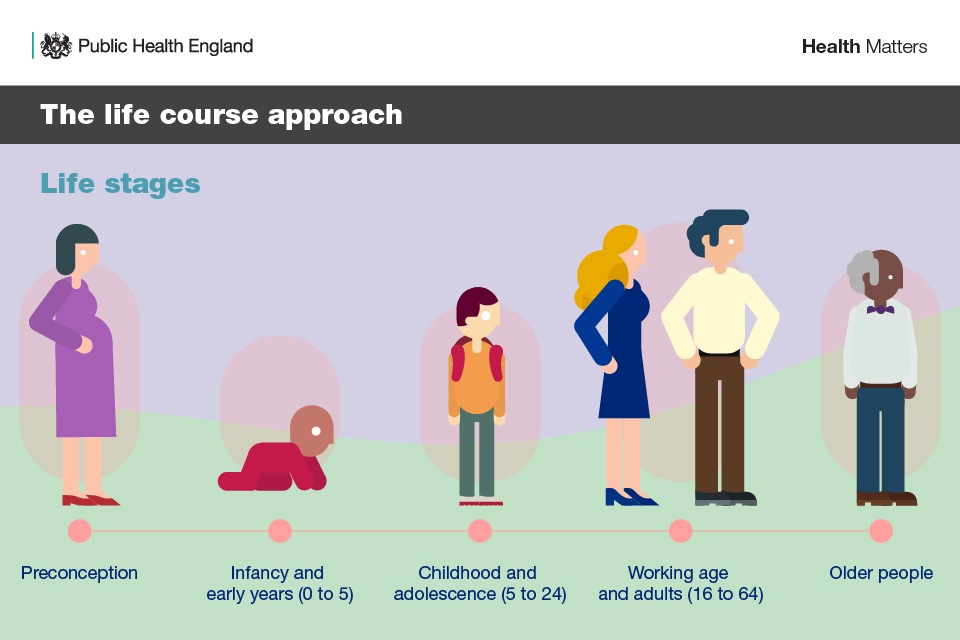
Health matters Prevention a life course approach GOV.UK
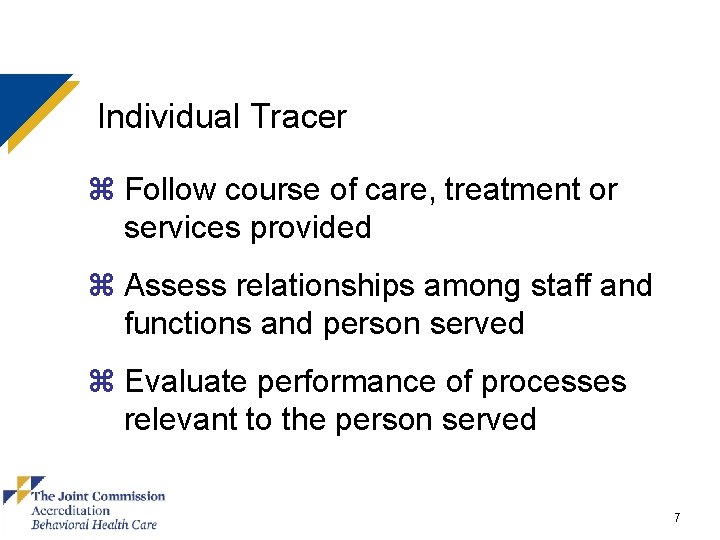
Joint Commission Behavioral Health Care Accreditation Alaska Behavioral

BSN Curriculum American National University
Certificates Are Terrific Tools For Advancing Your Education In A Specialty Area When You Are Not Interested In Or Ready To Pursue Another Degree.
The Tpa Will Pay One Operational Fee To The.
This Course Takes You Through The Full Healthcare Innovation Process, From Identifying Critical Gaps In Care To Developing And Evaluating New Products And Processes.
There Are Opportunities To Learn About A Wide Range Of Health And Wellness Topics On Coursera, Including Courses And Specializations Spanning Multiple Courses About Healthcare Specifically.
Related Post: