
Course Of Dealing Contract Law
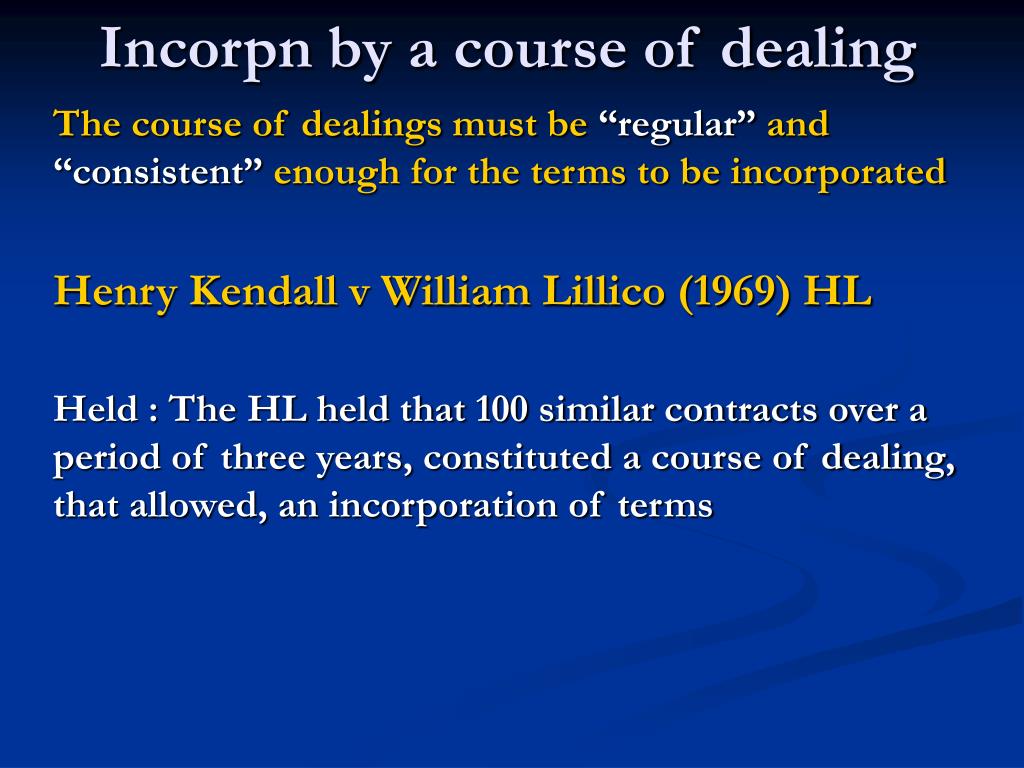
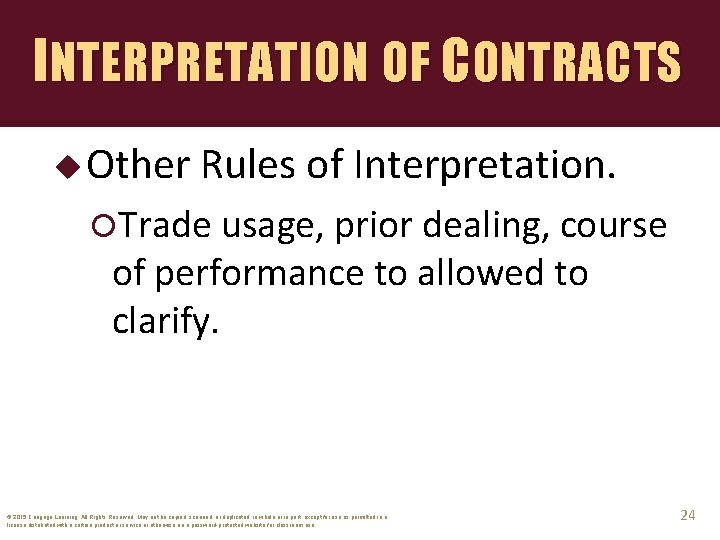
Course Of Dealing Contract Law - In rejecting the co’s purely textualist argument, appeals of raytheon illustrates the limits of textual revisionism in altering the parties’ course of dealing in long running. Understanding the nuances between course of dealing and course of performance is vital for those involved in contract law. The course of dealing between parties to an action is examined by a. This guide addresses contract formation, types of contracts, general contract construction rules, how to alter and terminate contracts, and how courts interpret and enforce dispute resolution. The ucc defines course of dealing in its general provisions (u.c.c. General definition a contract is a promise or set of promises, for the breach of which the law gives a remedy, or the performance of which the law in some way recognizes as a duty. Learn what course of dealing means in contract law and how it helps with gap filling rules. Find out how it differs from course of performance and usage of trade. 1 contract, multiple obligations, same parties. A clearly recognizable pattern of previous conduct between parties to a business transaction. 24/7 customer supportonline certificationflexible online learningdownload mobile app Course of dealing refers to past interactions between parties, while course of performance focuses on how parties fulfill the terms of a specific contract. Find out how it differs from course of performance and usage of trade. It is relevant in contract law. Contract law is the law of voluntary exchange ii. A course of dealing is a sequence of conduct concerning previous transactions between the parties to a particular transaction that is fairly to be regarded as establishing a common basis. A clearly recognizable pattern of previous conduct between parties to a business transaction. Establishing a course of dealing is an essential aspect of navigating the course of dealing in implied contracts. 1 contract, multiple obligations, same parties. Course of dealing, as defined in subsection (b), is restricted, literally, to a sequence of conduct between the parties previous to the agreement. Stay updated with aiimprove your skillsjoin 69m+ learners The course of dealing between parties to an action is examined by a. Course of dealing, as defined in subsection (b), is restricted, literally, to a sequence of conduct between the parties previous to the agreement. A course of dealing refers to a pattern of conduct or behavior that. Course of dealing. These concepts help interpret agreements and clarify. Stay updated with aiimprove your skillsjoin 69m+ learners Find out how it differs from course of performance and usage of trade. A course of dealing is a sequence of conduct concerning previous transactions between the parties to a particular transaction that is fairly to be regarded as establishing a common basis of understanding. The course of dealing between parties to an action is examined by a. It is relevant in contract law. This means how the parties have previously dealt with each other, prior to entering into the current contract. These concepts help interpret agreements and clarify. Course of dealing refers to past interactions between parties, while course of performance focuses on how. The term applies, for example, to the laws governing contracts for the sale of goods, negotiable instruments, and. Course of dealing means a sequence of previous conduct between the parties to a particular transaction which establishes a common basis of understanding for interpreting their. The course of dealing between parties to an action is examined by a. Multiple similar contracts. The ucc defines course of dealing in its general provisions (u.c.c. Find out how it differs from course of performance and usage of trade. This means how the parties have previously dealt with each other, prior to entering into the current contract. Understanding the nuances between course of dealing and course of performance is vital for those involved in contract. A clearly recognizable pattern of previous conduct between parties to a business transaction. These concepts help interpret agreements and clarify. Understanding the nuances between course of dealing and course of performance is vital for those involved in contract law. Contract law is the law of voluntary exchange ii. In rejecting the co’s purely textualist argument, appeals of raytheon illustrates the. This means how the parties have previously dealt with each other, prior to entering into the current contract. A “course of dealing” is a “sequence of previous conduct between the parties to an agreement which is fairly to be regarded as establishing a common basis of understanding for interpreting. A course of dealing refers to a pattern of conduct or. Establishing a course of dealing is an essential aspect of navigating the course of dealing in implied contracts. A “course of dealing” is a “sequence of previous conduct between the parties to an agreement which is fairly to be regarded as establishing a common basis of understanding for interpreting. A course of dealing refers to a pattern of conduct or. Course of dealing refers to a sequence of previous conduct between parties involved in a transaction that establishes a common basis for interpreting their interactions. A clearly recognizable pattern of previous conduct between parties to a business transaction. Establishing a course of dealing is an essential aspect of navigating the course of dealing in implied contracts. 24/7 customer supportonline certificationflexible. 24/7 customer supportonline certificationflexible online learningdownload mobile app Course of dealing means a sequence of previous conduct between the parties to a particular transaction which establishes a common basis of understanding for interpreting their. A clearly recognizable pattern of previous conduct between parties to a business transaction. A sequence of conduct after or under the. If the express words used. Stay updated with aiimprove your skillsjoin 69m+ learners If the express words used are insufficient to determine the parties’ intent, then the court will look to context supplied terms (u.c. A clearly recognizable pattern of previous conduct between parties to a business transaction. 1 contract, multiple obligations, same parties. Contract law is the law of voluntary exchange ii. It is relevant in contract law. The ucc defines course of dealing in its general provisions (u.c.c. 24/7 customer supportonline certificationflexible online learningdownload mobile app A clearly recognizable pattern of previous conduct between parties to a business transaction. A “course of dealing” is a “sequence of previous conduct between the parties to an agreement which is fairly to be regarded as establishing a common basis of understanding for interpreting. A third manifestation of intent is course of dealing. The course of dealing between parties to an action is examined by a. Understanding the nuances between course of dealing and course of performance is vital for those involved in contract law. This means how the parties have previously dealt with each other, prior to entering into the current contract. The term applies, for example, to the laws governing contracts for the sale of goods, negotiable instruments, and. A course of dealing refers to a pattern of conduct or behavior that.
"Course of dealing" Can Define Government Contract

Law of Contract Terms of Contract 2 Incorporation of Terms ppt download

PPT Business Law II Professor Pamela Gershuny PowerPoint Presentation
PPT Contemporary AngloAmerican Jurisprudence PowerPoint Presentation
.jpg)
Chapter 11 Nature and Terminology ppt download

PPT Business Law II Professor Pamela Gershuny PowerPoint Presentation
PPT CHAPTER 18 PowerPoint Presentation, free download ID299390
PPT Law of Contract Terms of Contract 2 Incorporation of Terms
MILLER CHAPTER 11 CONTRACTS NATURE AND TERMINOLOGY 2015
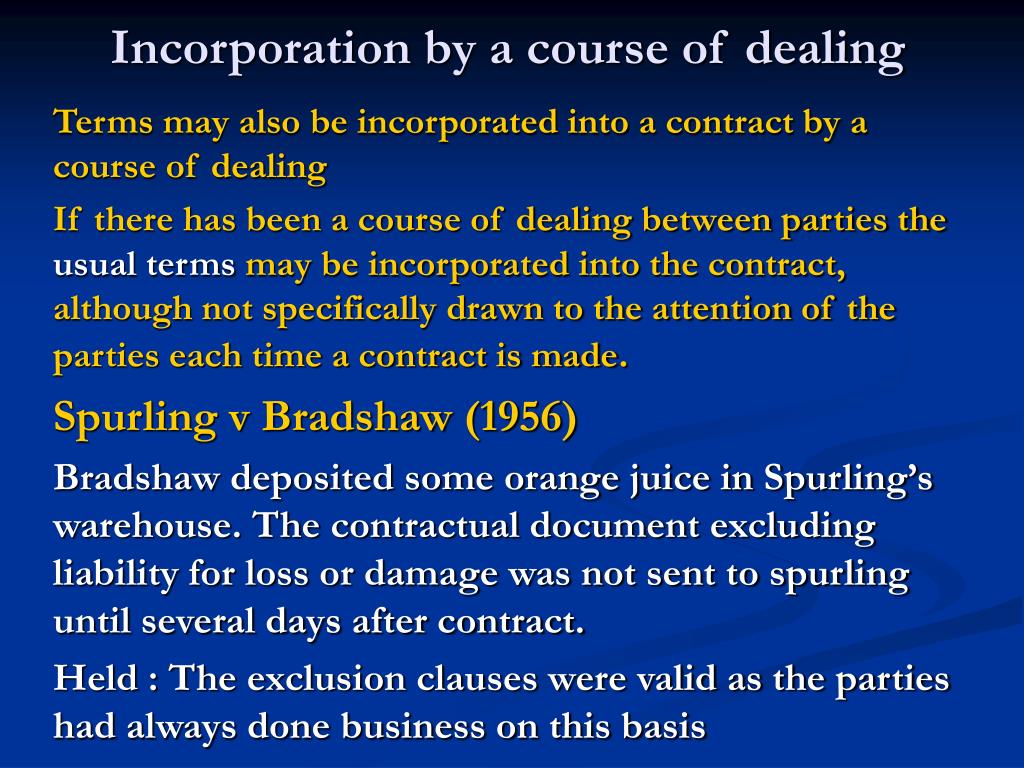
PPT Law of Contract Terms of Contract 2 Incorporation of Terms
These Concepts Help Interpret Agreements And Clarify.
The Course Of Dealing Between Parties To An Action Is Examined By A.
This Guide Addresses Contract Formation, Types Of Contracts, General Contract Construction Rules, How To Alter And Terminate Contracts, And How Courts Interpret And Enforce Dispute Resolution.
In Rejecting The Co’s Purely Textualist Argument, Appeals Of Raytheon Illustrates The Limits Of Textual Revisionism In Altering The Parties’ Course Of Dealing In Long Running.
Related Post: