
Course Of Performance Vs Course Of Dealing
Course Of Performance Vs Course Of Dealing - (a) a course of performance is a sequence of conduct between the parties to a particular transaction that exists if: Organizational capabilities to enhance firm performance under uncertainty. Course of performance, course of dealing, and usage of trade. (1) the agreement of the parties with respect to the transaction. See how these concepts affect the. Course of performance is about how parties act under a specific contract, while course of dealing refers to how they have acted in previous contracts with each other. Learn the difference between course of dealing and course of performance in contract law. (a) a course of performance is a sequence of conduct between the parties to a particular transaction that exists if: (a) a course of performance is a sequence of conduct between the parties to a particular transaction that exists if: Contracts don't exist in a vacuum; Dealing, and usage of trade. (a) a course of performance is a sequence of conduct between the parties to a particular transaction that exists if: They're often influenced by the history between parties and the norms of the industry. Learn the difference between course of dealing and course of performance in contract law. Course of dealing is distinguishable from both course of performance and trade usage. The other party, with knowledge of the nature of the. 4 (1) the agreement of the. Learn the definitions and legal implications of course of performance, course of dealing, and usage of trade in the uniform commercial code. Course of performance, course of dealing, and usage of trade (a) a course of performance is a sequence of conduct between the parties to a particular transaction that exists if: Learn the difference between course of performance and course of dealing in contract law. 2 (a) a “course of performance” is a sequence of conduct between the parties 3 to a particular transaction that exists if: Learn the difference between course of performance and course of dealing in contract law. Course of performance is about how parties act under a specific contract, while course of dealing refers to how they have acted in previous. Course of dealing is distinguishable from both course of performance and trade usage. Under the ucc, courts may consider course of performance of the parties in order to determine, for example, whether the parties have formed a contract for the sale or lease of goods (u.c.c. “course of performance”, “course of dealing”, and “usage of trade”. (1) the agreement of. The other party, with knowledge of the nature of the. Course of dealing and course of performance are tools courts use to interpret contracts. A “course of performance” is a sequence of conduct between the parties to a particular transaction that exists if: 2 (a) a “course of performance” is a sequence of conduct between the parties 3 to a. See how these concepts affect the. When it comes about responding to uncertainty, op exhibit a relationship with both dynamic. Dealing, and usage of trade. They're often influenced by the history between parties and the norms of the industry. Course of dealing and course of performance are tools courts use to interpret contracts. They're often influenced by the history between parties and the norms of the industry. Course of performance, course of dealing, and usage of trade. Learn the definitions and legal implications of course of performance, course of dealing, and usage of trade in the uniform commercial code. (a) a course of performance is a sequence of conduct between the parties to. 4 (1) the agreement of the. 2 (a) a “course of performance” is a sequence of conduct between the parties 3 to a particular transaction that exists if: The new york ucc recognizes this through the. Course of performance, course of dealing, and usage of trade. Course of performance, course of dealing, and usage of trade. Learn the definitions and legal implications of course of performance, course of dealing, and usage of trade in the uniform commercial code. 4 (1) the agreement of the. See how they affect the. Learn the difference between course of performance and course of dealing in contract law. A “course of performance” is a sequence of conduct between the parties to. Course of dealing and course of performance are tools courts use to interpret contracts. Course of dealing is a sequence of conduct before a contract, while course of performance is. Course of performance, course of dealing, and usage of trade. Course of performance, course of dealing, and usage of trade. Course of performance, course of dealing, and usage of trade. Contracts don't exist in a vacuum; Course of performance, course of dealing, and usage of trade. The new york ucc recognizes this through the. They're often influenced by the history between parties and the norms of the industry. Course of performance, course of dealing, and usage of trade. The other party, with knowledge of the nature of the. (1) the agreement of the parties with respect to the transaction. (1) a course of performance is a sequence of conduct between the parties to a particular transaction that exists if: The new york ucc recognizes this through the. They're often influenced by the history between parties and the norms. (a) a course of performance is a sequence of conduct between the parties to a particular transaction that exists if: Course of dealing refers to prior conduct between parties that establishes a shared. 4 (1) the agreement of the. (a) a course of performance is a sequence of conduct between the parties to a particular transaction that exists if: “course of performance”, “course of dealing”, and “usage of trade”. Under the ucc, courts may consider course of performance of the parties in order to determine, for example, whether the parties have formed a contract for the sale or lease of goods (u.c.c. Contracts don't exist in a vacuum; Course of dealing is a sequence of conduct before a contract, while course of performance is. Course of performance, course of dealing, and usage of trade. (a) a course of performance is a sequence of conduct between the parties to a particular transaction that exists if: Course of performance refers to a pattern of conduct that occurs subsequent to. See how they affect the. The new york ucc recognizes this through the. Course of performance is a sequence of conduct after a contract, while course of dealing is. Course of performance is about how parties act under a specific contract, while course of dealing refers to how they have acted in previous contracts with each other. When it comes about responding to uncertainty, op exhibit a relationship with both dynamic..jpg)
Chapter 11 Nature and Terminology ppt download

11 CLASS 13 UCC, Commercial Paper, and Electronic Commerce; Employment

CHAPTERCHAPTER McGrawHill/Irwin©2008 The McGrawHill Companies, All

16 Great Importance of Performance Appraisal in HRM CareerCliff

Course of Performance, Dealing, Usage of Trade 🎁 ; Knowledge vs. Know

Course of dealing
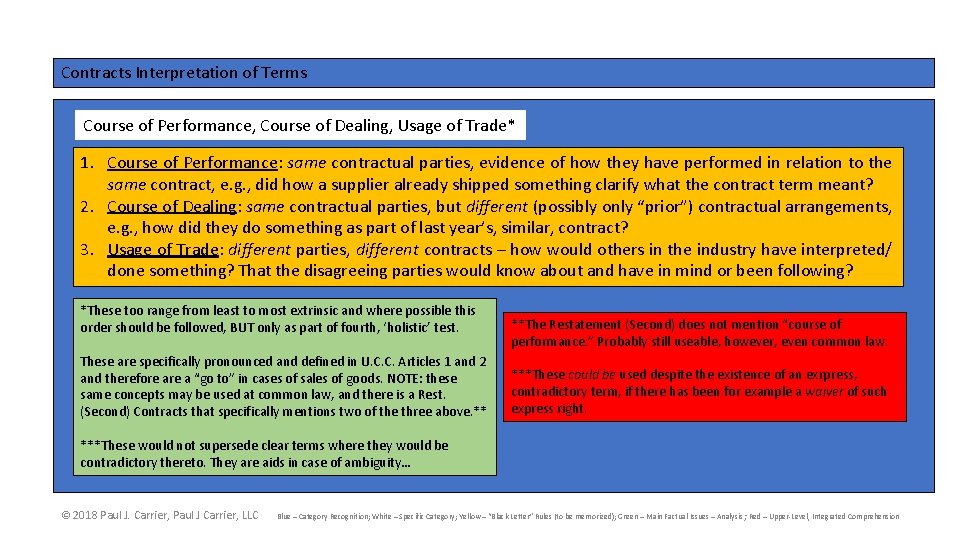
Contracts Interpretation of Terms Course of Performance Course

Performance Management Training Course Materials Training Resources
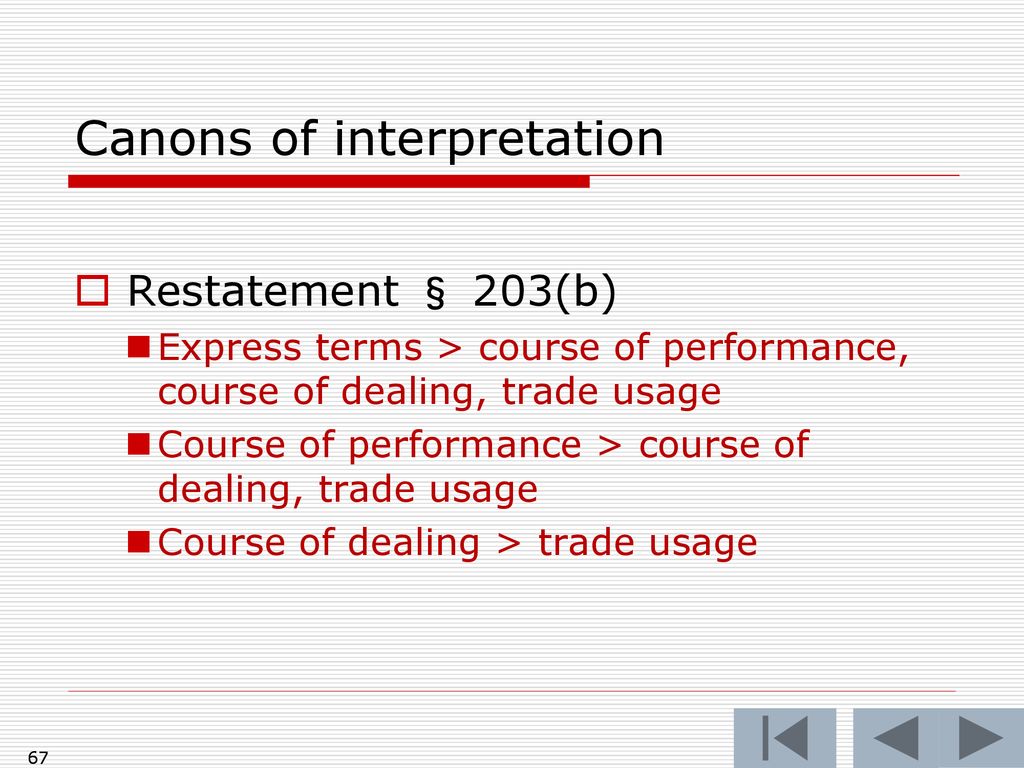
Mason School of Law ppt download

355.1303 Course of performance Course of dealing
Learn The Definitions And Legal Implications Of Course Of Performance, Course Of Dealing, And Usage Of Trade In The Uniform Commercial Code.
Learn The Difference Between Course Of Dealing And Course Of Performance In Contract Law.
Dealing, And Usage Of Trade.
They're Often Influenced By The History Between Parties And The Norms Of The Industry.
Related Post: