
Course Salt
Course Salt - The main difference between coarse and fine salt is that coarse salt, as the name describes, has a rough, jagged texture whereby the salt crystals have not been crushed, refined, and smoothed down, whereas fine salt has been ground down. Read on to find out why. Coarse salt can help to reduce inflammation and improve digestion, while sea salt can help to lower blood pressure and improve respiratory function. From table salt to flaky sea salt and pink salt to truffle salt, we're covering 19 types of salt and how to use them in this comprehensive guide! It provides a unique texture and flavor to various meals, making it an essential component for many recipes. Learn about kosher salt, himalayan salt, coarse sea salt, pretzel salt, finishing salt and other gourmet varieties. Course salt is a common ingredient found in many kitchens around the world. Coarse salt, sometimes called kosher salt (incorrectly, however), is a type of salt that is formed into large crystals or granules. This makes it ideal for seasoning and finishing dishes, as the larger grains provide a satisfying crunch and burst of flavor. Here is a short list of salts, both refined and artisan, that you're most likely to come across when shopping in the us. Both coarse salt and sea salt have potential health benefits, although it is essential to consume them in moderation due to their high sodium content. The main difference between coarse and fine salt is that coarse salt, as the name describes, has a rough, jagged texture whereby the salt crystals have not been crushed, refined, and smoothed down, whereas fine salt has been ground down. This salt is mainly used for cooking, baking, and seasoning dishes. Coarse salt can help to reduce inflammation and improve digestion, while sea salt can help to lower blood pressure and improve respiratory function. Learn about kosher salt, himalayan salt, coarse sea salt, pretzel salt, finishing salt and other gourmet varieties. It is often used to salt meat, as an ingredient in brines, and also in regular recipes, like soups and sauces. From pink himalayan to table salt, here's everything you need to know about common types of salt at the grocery store, including when to cook with each. But what is kosher salt? Course salt is a common ingredient found in many kitchens around the world. This makes it ideal for seasoning and finishing dishes, as the larger grains provide a satisfying crunch and burst of flavor. The high mineral content of sea salt makes it. Coarse salt, sometimes called kosher salt (incorrectly, however), is a type of salt that is formed into large crystals or granules. Coarse salt can help to reduce inflammation and improve digestion, while sea salt can help to lower blood pressure and improve respiratory function. From table salt to flaky sea salt. It provides a unique texture and flavor to various meals, making it an essential component for many recipes. Learn about kosher salt, himalayan salt, coarse sea salt, pretzel salt, finishing salt and other gourmet varieties. The main difference between coarse and fine salt is that coarse salt, as the name describes, has a rough, jagged texture whereby the salt crystals. It provides a unique texture and flavor to various meals, making it an essential component for many recipes. From table salt to flaky sea salt and pink salt to truffle salt, we're covering 19 types of salt and how to use them in this comprehensive guide! The main difference between coarse and fine salt is that coarse salt, as the. Table salt is much more commonly used than coarse salt. This makes it ideal for seasoning and finishing dishes, as the larger grains provide a satisfying crunch and burst of flavor. It is often used to salt meat, as an ingredient in brines, and also in regular recipes, like soups and sauces. Here is a short list of salts, both. This salt is mainly used for cooking, baking, and seasoning dishes. The ultimate gourmet salt reference. Read on to find out why. Learn about kosher salt, himalayan salt, coarse sea salt, pretzel salt, finishing salt and other gourmet varieties. The high mineral content of sea salt makes it. From table salt to flaky sea salt and pink salt to truffle salt, we're covering 19 types of salt and how to use them in this comprehensive guide! It provides a unique texture and flavor to various meals, making it an essential component for many recipes. But what is kosher salt? Both coarse salt and sea salt have potential health. Learn about kosher salt, himalayan salt, coarse sea salt, pretzel salt, finishing salt and other gourmet varieties. From pink himalayan to table salt, here's everything you need to know about common types of salt at the grocery store, including when to cook with each. The most important takeaway is that kosher salt is flavor. Here is a short list of. But what is kosher salt? Course salt is a common ingredient found in many kitchens around the world. Learn about kosher salt, himalayan salt, coarse sea salt, pretzel salt, finishing salt and other gourmet varieties. Coarse salt can help to reduce inflammation and improve digestion, while sea salt can help to lower blood pressure and improve respiratory function. The high. Learn about kosher salt, himalayan salt, coarse sea salt, pretzel salt, finishing salt and other gourmet varieties. Coarse salt, sometimes called kosher salt (incorrectly, however), is a type of salt that is formed into large crystals or granules. Here is a short list of salts, both refined and artisan, that you're most likely to come across when shopping in the. But what is kosher salt? The high mineral content of sea salt makes it. The main difference between coarse and fine salt is that coarse salt, as the name describes, has a rough, jagged texture whereby the salt crystals have not been crushed, refined, and smoothed down, whereas fine salt has been ground down. It provides a unique texture and. Read on to find out why. Coarse salt, also known as kosher salt or sea salt, has larger granules compared to regular table salt. Coarse salt, sometimes called kosher salt (incorrectly, however), is a type of salt that is formed into large crystals or granules. It is a type of salt that has a larger and coarser grain compared to table salt. The main difference between coarse and fine salt is that coarse salt, as the name describes, has a rough, jagged texture whereby the salt crystals have not been crushed, refined, and smoothed down, whereas fine salt has been ground down. It provides a unique texture and flavor to various meals, making it an essential component for many recipes. This makes it ideal for seasoning and finishing dishes, as the larger grains provide a satisfying crunch and burst of flavor. The ultimate gourmet salt reference. Table salt is much more commonly used than coarse salt. Both coarse salt and sea salt have potential health benefits, although it is essential to consume them in moderation due to their high sodium content. Here is a short list of salts, both refined and artisan, that you're most likely to come across when shopping in the us. But what is kosher salt? From pink himalayan to table salt, here's everything you need to know about common types of salt at the grocery store, including when to cook with each. This salt is mainly used for cooking, baking, and seasoning dishes. Coarse salt can help to reduce inflammation and improve digestion, while sea salt can help to lower blood pressure and improve respiratory function. Learn about kosher salt, himalayan salt, coarse sea salt, pretzel salt, finishing salt and other gourmet varieties.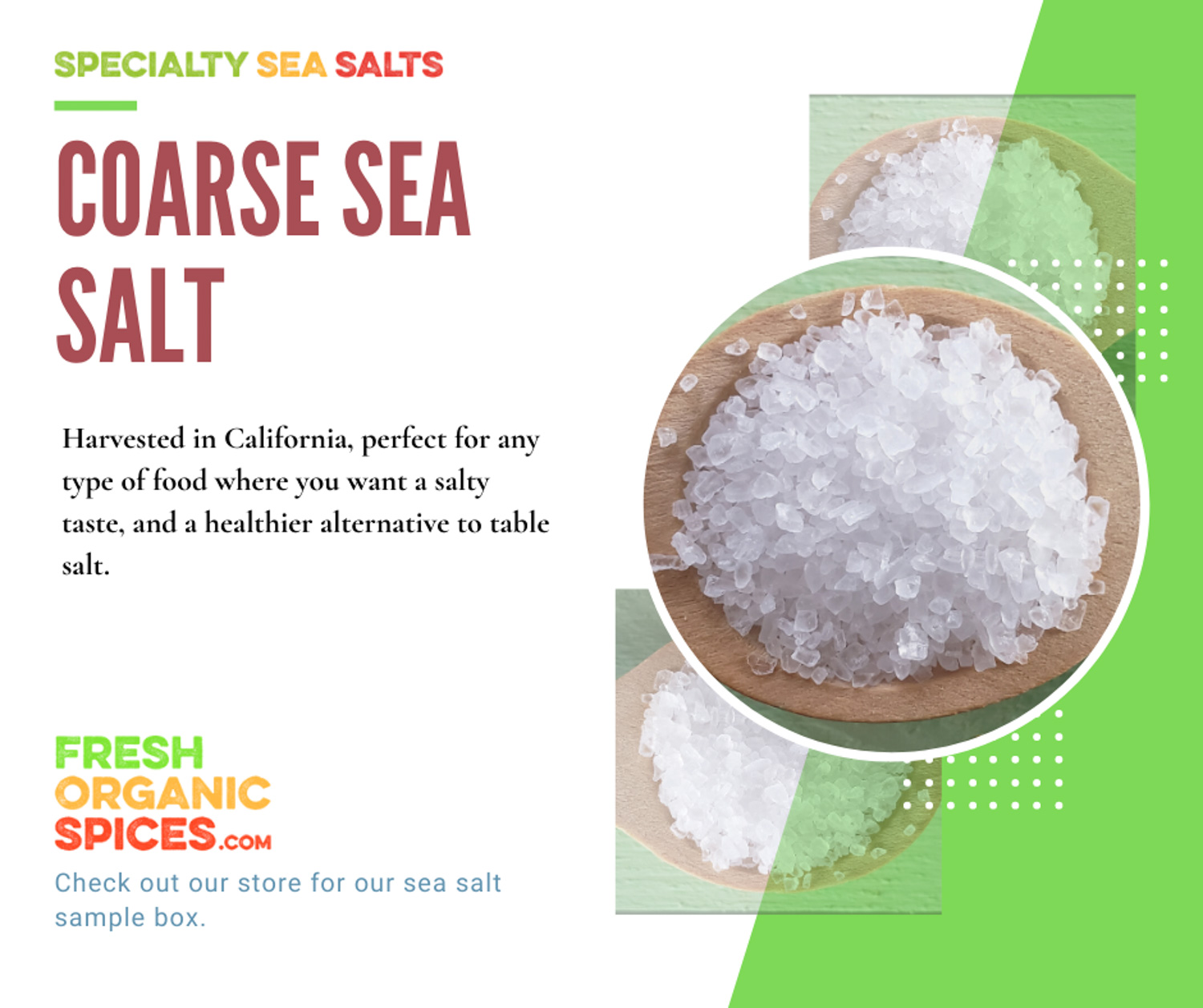
What Is Coarse Sea Salt at Jamie Gibb blog
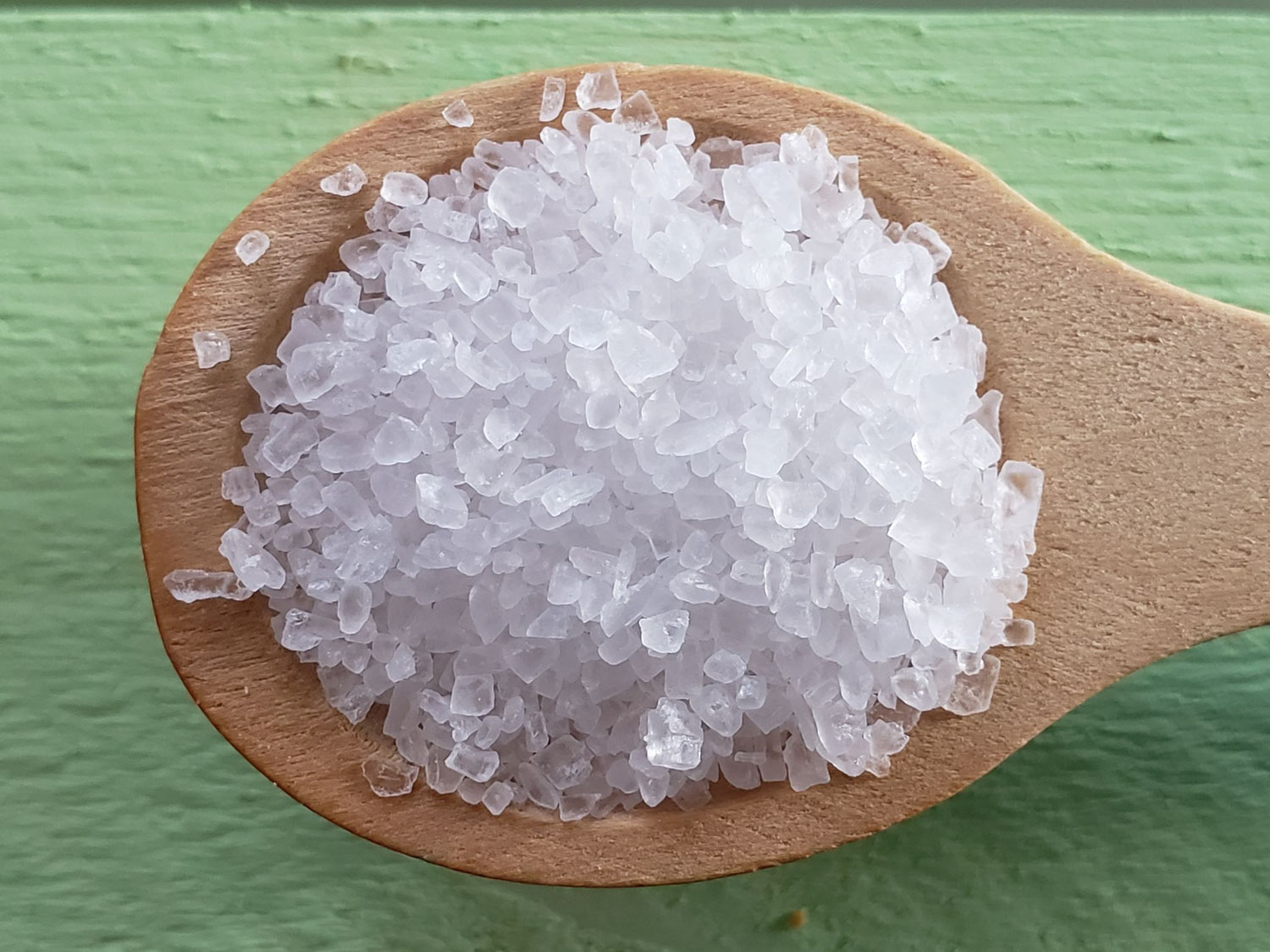
Is Coarse Salt And Rock Salt The Same at Amanda Shultz blog

Coarse Sea Salt Wild Fork Foods
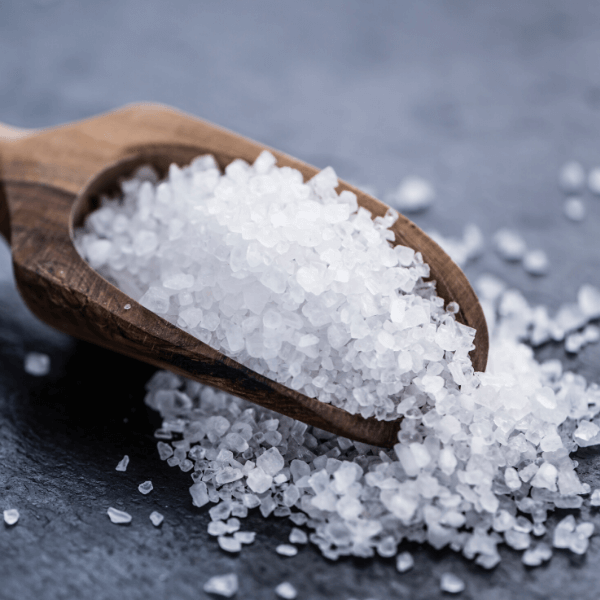
Kosher Coarse Sea Salt 2.5kg
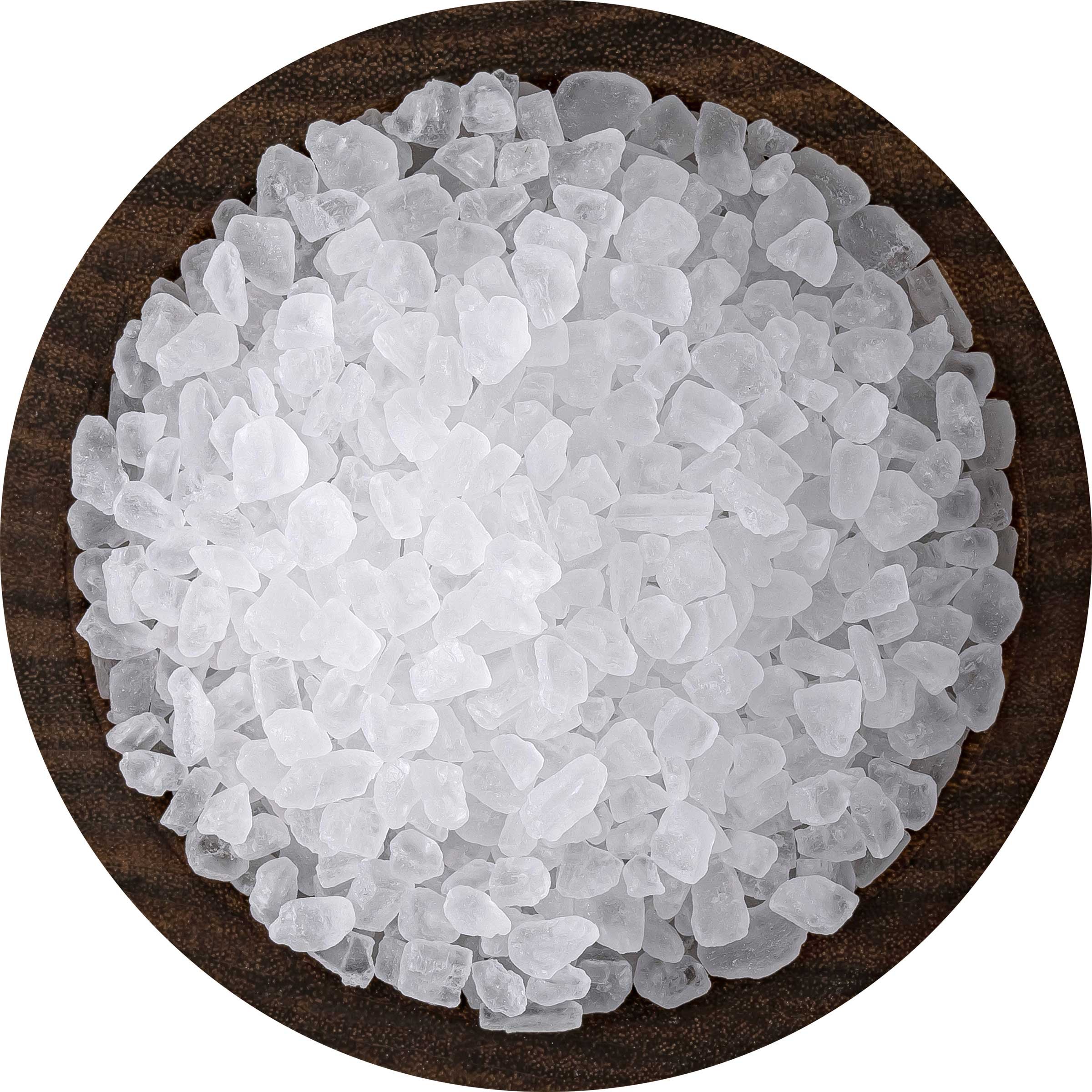
Pure Ocean® Sea Salt Bulk (Coarse Grain) 55 lb Bag SaltWorks®
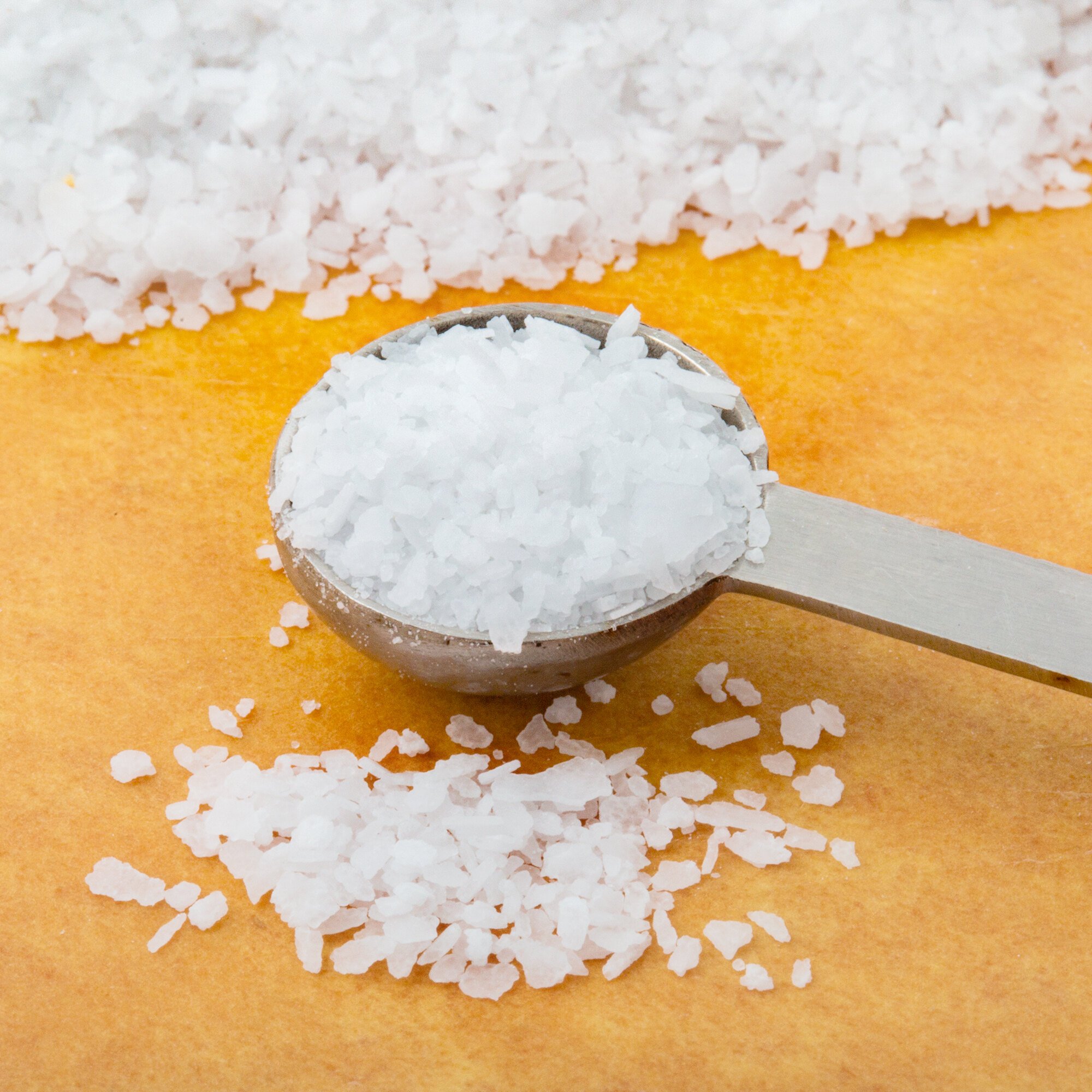
Morton Coarse Kosher Salt 3 lb. Box
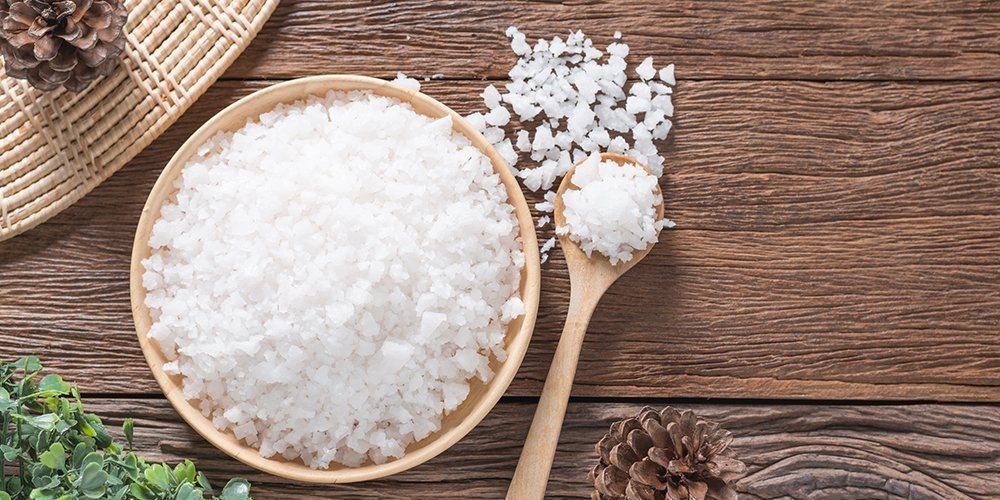
CoarseSeaSalt Bulk Epsom Salts
Ritebrand Coarse Salt 1kg Salt & Pepper Cooking Ingredients Food

La Baleine Coarse Sea Salt Box 450g Ideal for Cooking & Seasoning

Sea Salt
From Table Salt To Flaky Sea Salt And Pink Salt To Truffle Salt, We're Covering 19 Types Of Salt And How To Use Them In This Comprehensive Guide!
Course Salt Is A Common Ingredient Found In Many Kitchens Around The World.
The High Mineral Content Of Sea Salt Makes It.
It Is Often Used To Salt Meat, As An Ingredient In Brines, And Also In Regular Recipes, Like Soups And Sauces.
Related Post: