
Dual Enrollment Vs Ap Courses
Dual Enrollment Vs Ap Courses - Ap is a great first step toward making an informed decision. Ap courses generally cover a wider breadth of. Students can take one ap class or several. Both ap classes and dual enrollment offer unique opportunities and challenges, and understanding the differences is key to making the right choice for you. The college board’s ap programincludes courses across english, the arts, math, sciences, history, foreign languages, and other topics. Explore the key differences, advantages, and how each can impact your chances of college admission. Ap courses are offered within the high school. Tab 2 allows you to track trends in dual enrollment participation over time—both overall and by student subgroup—for your state compared to national averages. These courses are a collaboration between high schools and local. They offer college credits for successful completion while still. Taking challenging courses like ap, ib, or dual enrollment signals to colleges that you are prepared and motivated for higher education. Dual enrollment courses can count toward the requirements for both your high school diploma and your college degree. They offer college credits for successful completion while still. Dual enrollment or concurrent courses are college courses that high schoolers take while still enrolled in high school. Wondering whether dual enrollment or ap classes are better for your college application? Ap courses generally cover a wider breadth of. The credits that you earn through these programs can often be. Both ap classes and dual enrollment courses can be valuable experiences that show colleges your readiness for advanced coursework, but the best choice depends on your individual goals. How does the focus on exams differ between ap and dual enrollment? These courses are a collaboration between high schools and local. Explore the key differences, advantages, and how each can impact your chances of college admission. Dual enrollment courses allow high school students to earn college credits. While grades are crucial, demonstrating. The college board’s ap programincludes courses across english, the arts, math, sciences, history, foreign languages, and other topics. Ap courses are offered within the high school. Ap is a great first step toward making an informed decision. Dual enrollment courses allow high school students to earn college credits. Both dual enrollment and ap classes have their pros and cons, so the best choice often differs depending on your individual goals. Tab 2 allows you to track trends in dual enrollment participation over time—both overall and by. From the perspective of college readiness, dual. Dual enrollment courses can count toward the requirements for both your high school diploma and your college degree. Explore the key differences, advantages, and how each can impact your chances of college admission. Taking challenging courses like ap, ib, or dual enrollment signals to colleges that you are prepared and motivated for higher. Dual enrollment or concurrent courses are college courses that high schoolers take while still enrolled in high school. Taking challenging courses like ap, ib, or dual enrollment signals to colleges that you are prepared and motivated for higher education. Ap classes culminate in standardized exams that determine college credit or placement, making the. Both dual enrollment and ap classes have. At the end of the course, you may take a standardized exam evaluating your knowledge of and skills in the discipline,. The credits that you earn through these programs can often be. Taking challenging courses like ap, ib, or dual enrollment signals to colleges that you are prepared and motivated for higher education. How does the focus on exams differ. Ap classes culminate in standardized exams that determine college credit or placement, making the. Taking challenging courses like ap, ib, or dual enrollment signals to colleges that you are prepared and motivated for higher education. While grades are crucial, demonstrating. Wondering whether dual enrollment or ap classes are better for your college application? Dual enrollment courses allow high school students. Dual enrollment courses can count toward the requirements for both your high school diploma and your college degree. If you’re unsure whether to take ap or dual enrollment classes, consider these factors: Tab 2 allows you to track trends in dual enrollment participation over time—both overall and by student subgroup—for your state compared to national averages. The college board’s ap. Dual enrollment courses can count toward the requirements for both your high school diploma and your college degree. Students can take one ap class or several. Ap courses are offered within the high school. The college board’s ap programincludes courses across english, the arts, math, sciences, history, foreign languages, and other topics. Ap classes culminate in standardized exams that determine. Dual enrollment and ap classes both have advantages. At the end of the course, you may take a standardized exam evaluating your knowledge of and skills in the discipline,. Students can take one ap class or several. Dual enrollment courses can count toward the requirements for both your high school diploma and your college degree. Among the most popular type. From the perspective of college readiness, dual. At the end of the course, you may take a standardized exam evaluating your knowledge of and skills in the discipline,. Both ap classes and dual enrollment courses can be valuable experiences that show colleges your readiness for advanced coursework, but the best choice depends on your individual goals. Dual enrollment programs allow. Dual enrollment programs allow you to take college courses while still in high school, often at a local community college. Unlike ap and ib courses, however, many dual enrollment programs allow students to explore more technical and less common courses, which is somewhat of a. How does the focus on exams differ between ap and dual enrollment? Ap courses are offered within the high school. Dual enrollment courses can count toward the requirements for both your high school diploma and your college degree. Wondering whether dual enrollment or ap classes are better for your college application? Taking challenging courses like ap, ib, or dual enrollment signals to colleges that you are prepared and motivated for higher education. They offer college credits for successful completion while still. These courses are a collaboration between high schools and local. Learning about dual enrollment vs. The college board’s ap programincludes courses across english, the arts, math, sciences, history, foreign languages, and other topics. Dual enrollment courses allow high school students to earn college credits. Students can take one ap class or several. Ap is a great first step toward making an informed decision. Tab 2 allows you to track trends in dual enrollment participation over time—both overall and by student subgroup—for your state compared to national averages. Explore the key differences, advantages, and how each can impact your chances of college admission.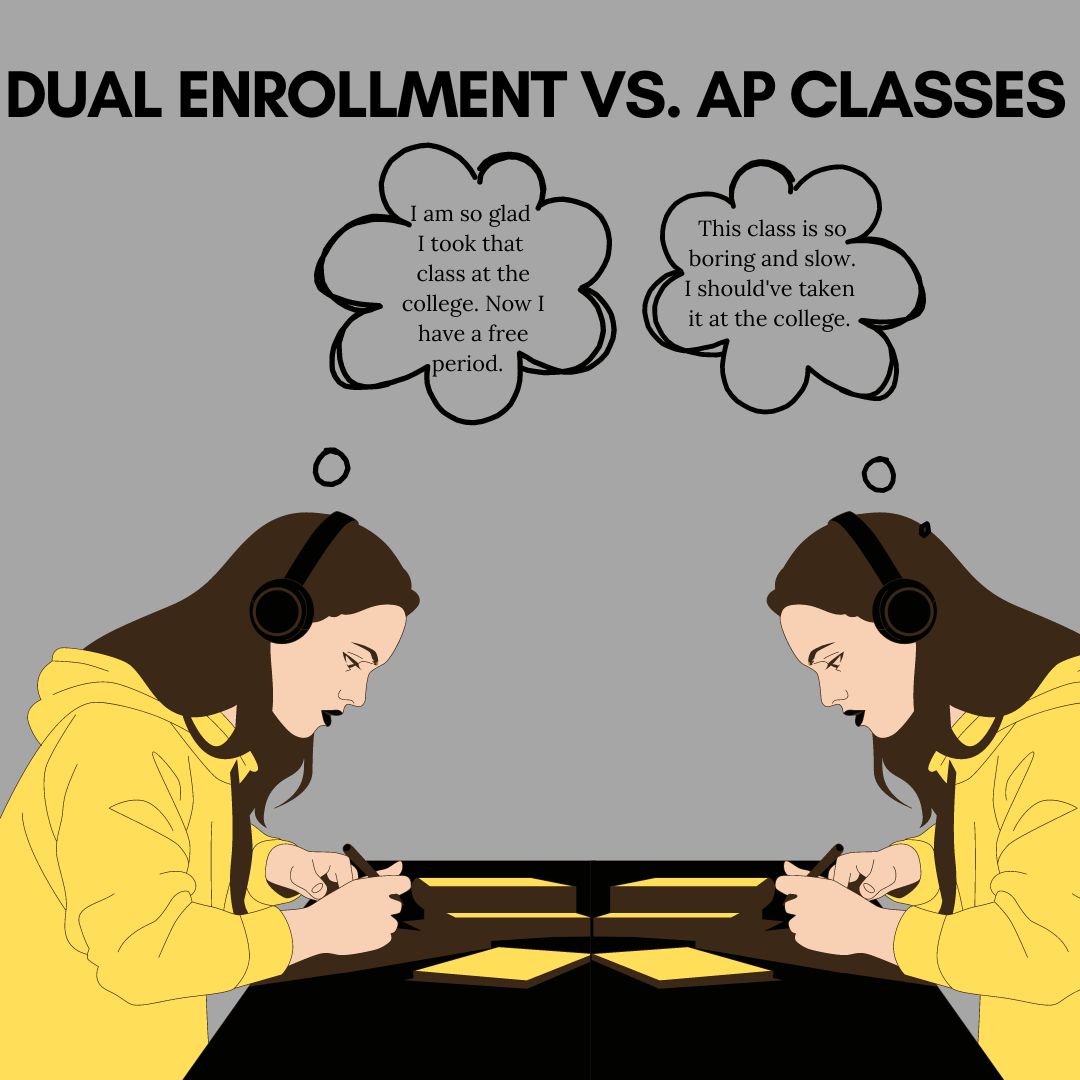
Opinion Dual enrollment wins any day compared to AP classes The

Decoding Dual Enrollment and AP Classes for High Schoolers Is There

AP vs. Dual Enrollment The Pros & Cons of Each Program for 2025
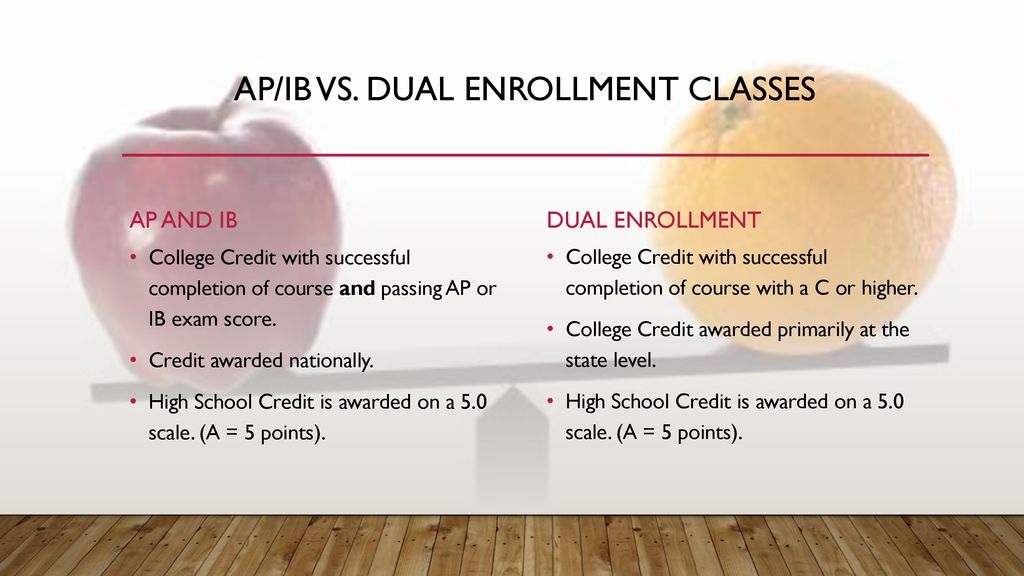
Dual enrollment and AP courses in high school ppt download

Is Dual Enrollment or AP Better for Earning College Credit?

AP vs Dual Enrollment Classes! What's the difference? YouTube
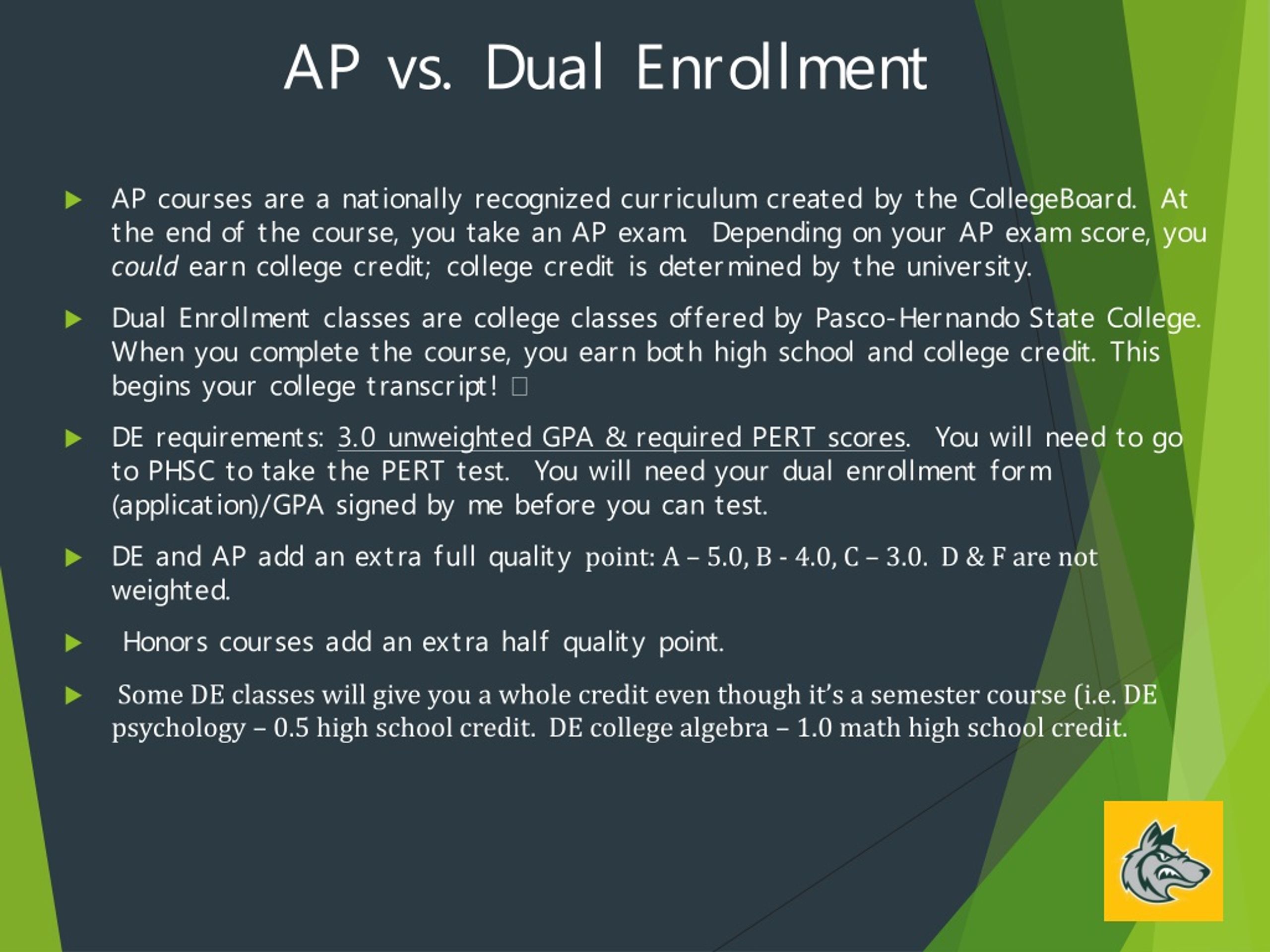
PPT to the 20172018 School Year PowerPoint Presentation
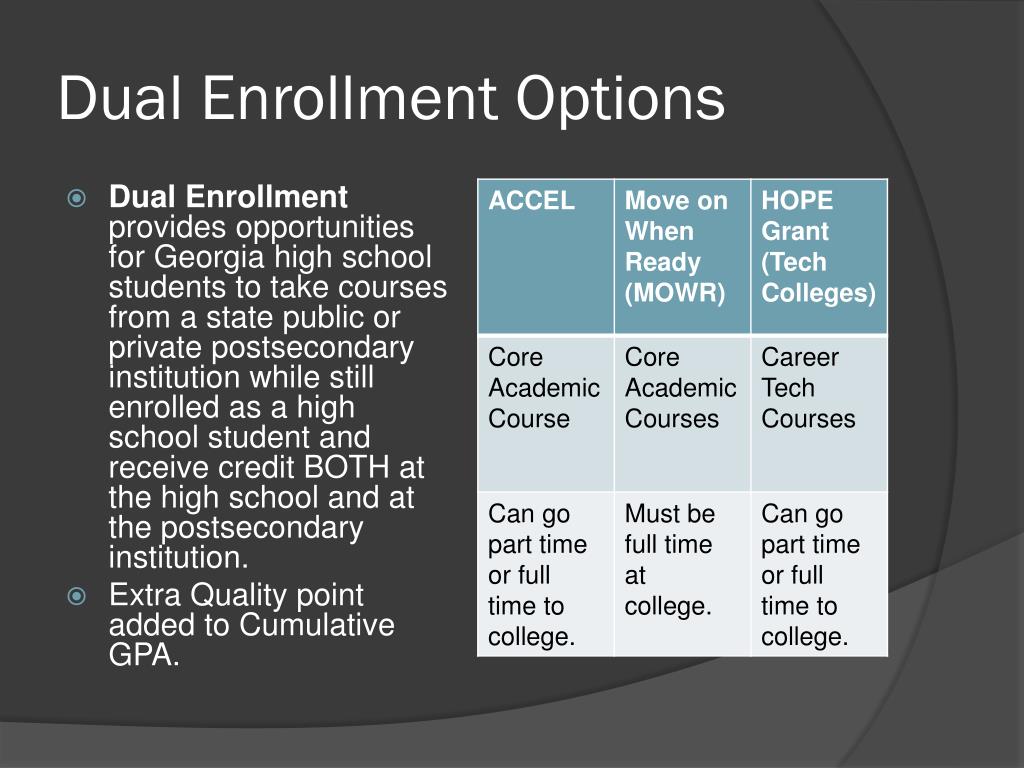
PPT Dual Enrollment and AP Classes PowerPoint Presentation, free

Dual enrollment vs AP Courses? YouTube

AP vs Dual Enrollment Which one is better? YouTube
The Credits That You Earn Through These Programs Can Often Be.
Dual Enrollment Or Concurrent Courses Are College Courses That High Schoolers Take While Still Enrolled In High School.
If You’re Unsure Whether To Take Ap Or Dual Enrollment Classes, Consider These Factors:
While Grades Are Crucial, Demonstrating.
Related Post: