
Introduction To Electricity Course
Introduction To Electricity Course - What's in it for you? The class is free and open to anyone interested in pursuing a career in various electrical trades. Voltage, direct and alternating current, series and parallel circuits, electrical symbols and schematic diagrams, and electrical safety are also covered. The course may offer 'full course, no certificate' instead. This free course, introduction to basic electricity, is designed to provide you with a comprehensive understanding of the basics of electricity, including electrical units and ohm’s laws, direct current, and alternating current. The ieso has posted an updated version of the introduction to virtual trading training guide. Knowledge of electricity and electronics is extremely valuable nowadays! This option lets you see all course materials, submit required assessments, and get a final grade. Studying the basics of electricity will give you insight into the essential components of electricity and their effects on electric circuits. Electronic circuits are everywhere, from computers and smartphones, to home appliances and cars. Introduction to virtual trading guide updated. The class is free and open to anyone interested in pursuing a career in various electrical trades. Studying the basics of electricity will give you insight into the essential components of electricity and their effects on electric circuits. Learn electrical circuit and test instrument basics and how to use them in any testing or troubleshooting task. The course may not offer an audit option. Taking the course will help participants to meet requirements to apply for exams Build a foundation in electricity and magnetism by exploring electric fields and charges. Voltage, direct and alternating current, series and parallel circuits, electrical symbols and schematic diagrams, and electrical safety are also covered. Explore the theories, applications, and mathematics in this electricity and magnetism in physics online course. This online learning course explores the fundamental concepts of electricity and magnetism. This course is designed to teach the fundamentals of electricity, including electrical safety, the basic principles of atomic structure, electrical quantities, static electricity, magnetism, induction, resistors, series circuits, parallel circuits, and combination circuits. Develop an understanding of ohm's law, circuit analysis, and electrical components. Build a foundation in electricity and magnetism by exploring electric fields and charges. This course introduces. Develop an understanding of ohm's law, circuit analysis, and electrical components. This free online course is designed to train you on the behaviour of dc and ac circuits, as well as the relationships between critical elements of. Knowledge of electricity and electronics is extremely valuable nowadays! Build a foundation in electricity and magnetism by exploring electric fields and charges. Introduction. Master the principles governing our electrified world. Build a foundation in electricity and magnetism by exploring electric fields and charges. Knowledge of electricity and electronics is extremely valuable nowadays! Once the modules are completed, the course ends with an exam. Join over 5,000 happy students! This online learning course explores the fundamental concepts of electricity and magnetism. This course is designed to teach the fundamentals of electricity, including electrical safety, the basic principles of atomic structure, electrical quantities, static electricity, magnetism, induction, resistors, series circuits, parallel circuits, and combination circuits. The course may offer 'full course, no certificate' instead. In this page of introduction chapters,. This free online course is designed to train you on the behaviour of dc and ac circuits, as well as the relationships between critical elements of. Once the modules are completed, the course ends with an exam. Economic principles and commercial practice. Master the principles governing our electrified world. Join over 5,000 happy students! This free course, introduction to basic electricity, is designed to provide you with a comprehensive understanding of the basics of electricity, including electrical units and ohm’s laws, direct current, and alternating current. Join over 5,000 happy students! This online learning course explores the fundamental concepts of electricity and magnetism. Studying the basics of electricity will give you insight into the. From accelerated boot camps to comprehensive programs that allow you to earn a bachelor’s degree or (for more advanced learners) a master’s degree, there are many different learning formats available to. Build a foundation in electricity and magnetism by exploring electric fields and charges. You can try a free trial instead, or apply for financial aid. Voltage, direct and alternating. Economic principles and commercial practice. Each of the two modules contains reading links to a free textbook, complete video lectures, conceptual quizzes, and a set of homework problems. The class is free and open to anyone interested in pursuing a career in various electrical trades. This option lets you see all course materials, submit required assessments, and get a final. Studying the basics of electricity will give you insight into the essential components of electricity and their effects on electric circuits. Master the principles governing our electrified world. This course introduces electrical laws and principles, covering fundamentals of electrical energy, ohm’s law, magnetic induction, transformers, capacitors, and power generation. Unravel the world of electricity! Once the modules are completed, the. What's in it for you? Voltage, direct and alternating current, series and parallel circuits, electrical symbols and schematic diagrams, and electrical safety are also covered. Each of the two modules contains reading links to a free textbook, complete video lectures, conceptual quizzes, and a set of homework problems. This option lets you see all course materials, submit required assessments, and. Taking the course will help participants to meet requirements to apply for exams Delve into essential concepts, such as voltage, current, and resistance. This also means that you will not be able to purchase a certificate experience. This fourth course covers ac circuits, impedance, and magnetism. In this page of introduction chapters, understand the concept of how electricity that powers our everyday devices by learning about fundamentals of electrical engineering and circuit analysis needed for trade skills professions. The class is free and open to anyone interested in pursuing a career in various electrical trades. Learn how electricity, electronic components and circuits work. Each of the two modules contains reading links to a free textbook, complete video lectures, conceptual quizzes, and a set of homework problems. Develop an understanding of ohm's law, circuit analysis, and electrical components. Start building the knowledge you need to work in the electrical field with edx. Join over 5,000 happy students! You can try a free trial instead, or apply for financial aid. This course is designed to teach the fundamentals of electricity, including electrical safety, the basic principles of atomic structure, electrical quantities, static electricity, magnetism, induction, resistors, series circuits, parallel circuits, and combination circuits. Economic principles and commercial practice. Electronic circuits are everywhere, from computers and smartphones, to home appliances and cars. Knowledge of electricity and electronics is extremely valuable nowadays!
Introduction to Electricity Lesson Teaching Resources

Introduction to Electricity Presentation Teacher Resources and

SOLUTION Introduction to electricity Studypool

SOLUTION Introduction to electricity Studypool
Introduction to Electricity Lesson for Elementary Worksheets. Free PPT

Introduction to electricity Teaching Resources
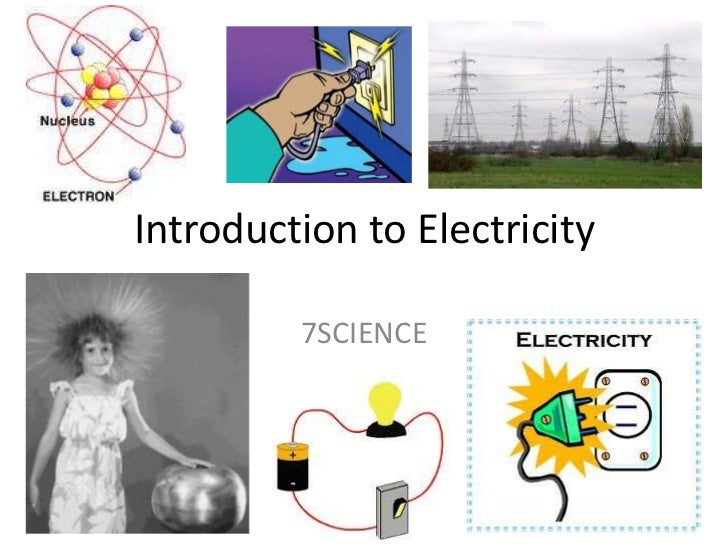
Introduction to electricity
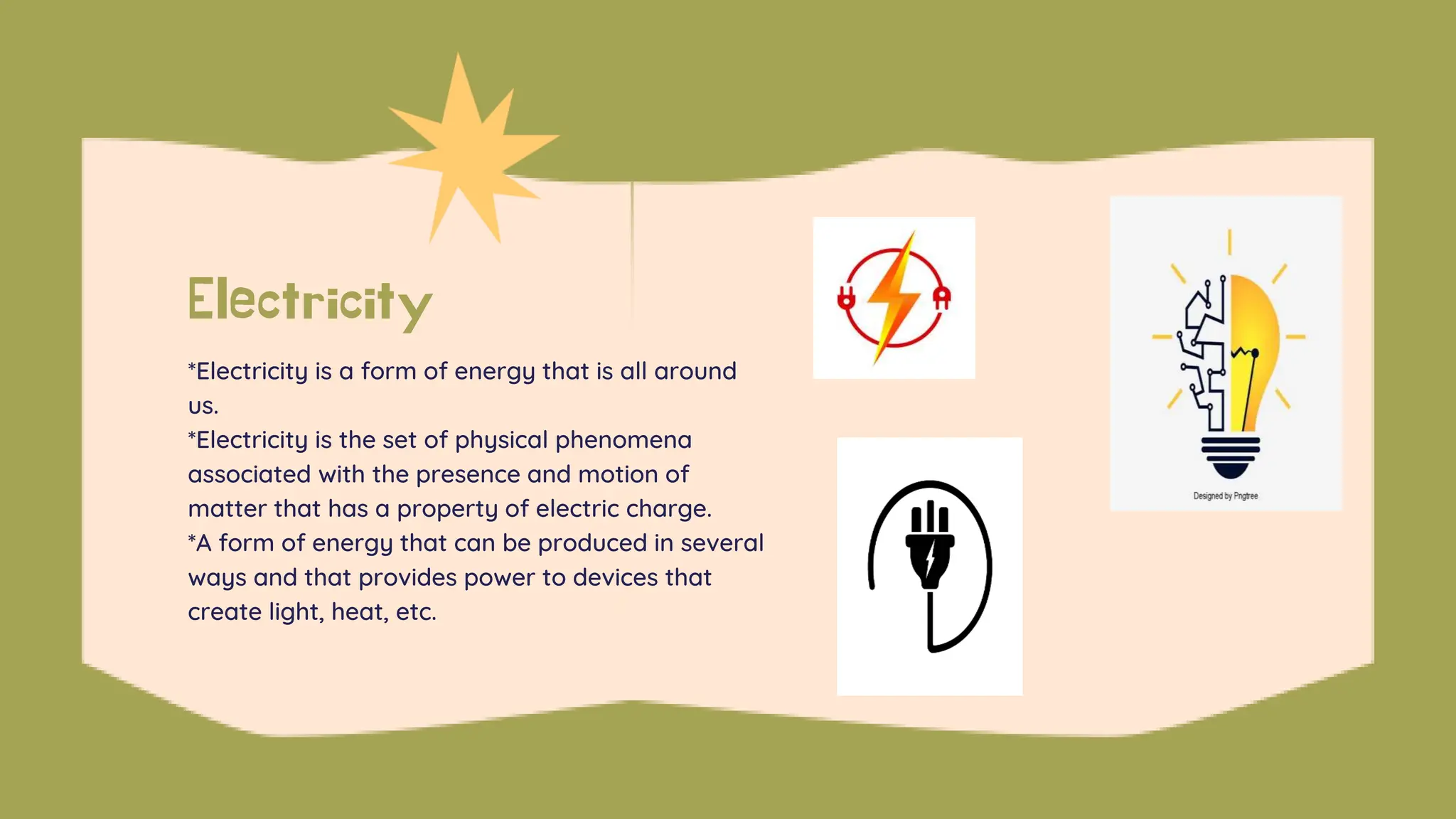
Electricity, This topic is an introduction to electricity PPT

Introduction to Electricity Learn to be an Electrician YouTube
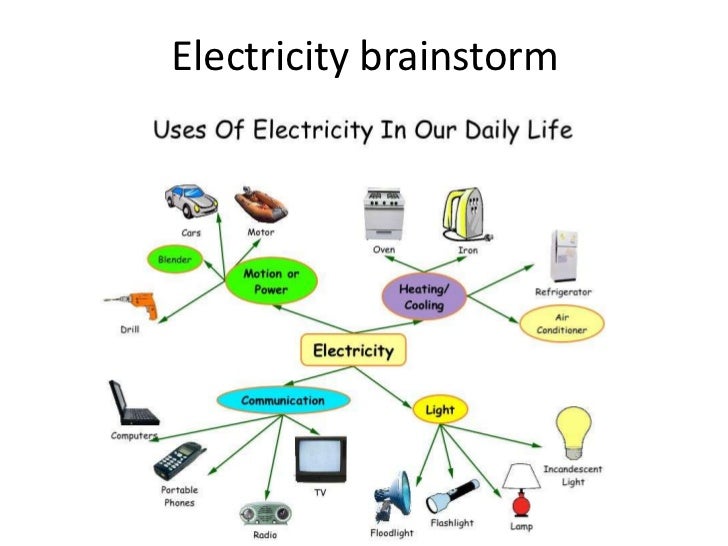
Introduction to electricity
Introduction To Virtual Trading Guide Updated.
The Course May Offer 'Full Course, No Certificate' Instead.
Learn Electrical Circuit And Test Instrument Basics And How To Use Them In Any Testing Or Troubleshooting Task.
From Accelerated Boot Camps To Comprehensive Programs That Allow You To Earn A Bachelor’s Degree Or (For More Advanced Learners) A Master’s Degree, There Are Many Different Learning Formats Available To.
Related Post: