
Jumper Course Ideas
Jumper Course Ideas - Showjumping is an equestrian sport in which a rider and horse try to jump over all of the fences in a course without knocking them down and within a set time limit. Here is everything you need, from standards and jumper filler, to the small items like cavaletti and jump cups: Often, course designers put islands of decorative material in the. Learn how to design a hunter course with tips on jump combinations and patterns as well as example hunter courses you can build and ride in your arena. Could you do a “no. Usually, at a schooling show, there is not an official coursewalk, but you may be given some. “wheeling” the course • you must follow the natural line of the track, i.e., the line that links one jump to another • there is only one track for each course • you can adjust the time, not the. What does “walking a course” mean? A jump course is basically made up of straight tracks and tracks that are circular, semicircular, or slightly curved. Vertical jumps have one or more poles (or planks) placed directly above each other. Vertical jumps have one or more poles (or planks) placed directly above each other. Let me give you 5 ideas of courses you can do with very few equipment. What does “walking a course” mean? Here is everything you need, from standards and jumper filler, to the small items like cavaletti and jump cups: Walking your course at a show, it’s easy to look at each fence individually, but. Like every year in the depths of winter, you are looking for ideas to work with obstacles. Then this guide is for you! Often, course designers put islands of decorative material in the. You want to jump but you’re not really feeling like setting up an entire course? Learn how to design an equitation course that you can practice ride at home with bending lines, skinny jumps, and other jump combinations you can try. This jump has no spread, or width. Want to know how to build a schooling jumper course? Usually, at a schooling show, there is not an official coursewalk, but you may be given some. Let me give you 5 ideas of courses you can do with very few equipment. “wheeling” the course • you must follow the natural line of. Usually, at a schooling show, there is not an official coursewalk, but you may be given some. What does “walking a course” mean? Often, course designers put islands of decorative material in the. A tutorial on how to build your own jump course. It is performed in an arena in. Showjumping is an equestrian sport in which a rider and horse try to jump over all of the fences in a course without knocking them down and within a set time limit. Learn how to design an equitation course that you can practice ride at home with bending lines, skinny jumps, and other jump combinations you can try. Learn how. A tutorial on how to build your own jump course. Learn how to design an equitation course that you can practice ride at home with bending lines, skinny jumps, and other jump combinations you can try. So to switch up from the traditional gridwork exercises or cavalettis, we propose. Gambler’s choice is an obvious one. Let me give you 5. Could you do a “no. Want to know how to build a schooling jumper course? Showjumping is an equestrian sport in which a rider and horse try to jump over all of the fences in a course without knocking them down and within a set time limit. Often, course designers put islands of decorative material in the. “wheeling” the course. What does “walking a course” mean? Showjumping is an equestrian sport in which a rider and horse try to jump over all of the fences in a course without knocking them down and within a set time limit. Let me give you 5 ideas of courses you can do with very few equipment. The word “oxer” is an umbrella term. Watching a show jumping round, the best riders often make the twists and turns look effortless. You want to jump but you’re not really feeling like setting up an entire course? Showjumping is an equestrian sport in which a rider and horse try to jump over all of the fences in a course without knocking them down and within a. It is performed in an arena in. Part 1 covers some jump ideas and how to measure distances, while part 2 contains more jump ideas and some. Then this guide is for you! Walking your course at a show, it’s easy to look at each fence individually, but. Watching a show jumping round, the best riders often make the twists. Learn how to design a hunter course with tips on jump combinations and patterns as well as example hunter courses you can build and ride in your arena. Usually, at a schooling show, there is not an official coursewalk, but you may be given some. You want to jump but you’re not really feeling like setting up an entire course?. The word “oxer” is an umbrella term for two vertical jumps positioned right next to each. Often, course designers put islands of decorative material in the. Watching a show jumping round, the best riders often make the twists and turns look effortless. “wheeling” the course • you must follow the natural line of the track, i.e., the line that links. Ever wonder what’s going on during a course walk, or how to walk a jumper course yourself? The size of your ring, both the length and the width, will set the. Like every year in the depths of winter, you are looking for ideas to work with obstacles. A jump course is basically made up of straight tracks and tracks that are circular, semicircular, or slightly curved. The word “oxer” is an umbrella term for two vertical jumps positioned right next to each. Let me give you 5 ideas of courses you can do with very few equipment. “wheeling” the course • you must follow the natural line of the track, i.e., the line that links one jump to another • there is only one track for each course • you can adjust the time, not the. There are many different types of jumpsyou might find on a jumper course—here is a basic breakdown: What does “walking a course” mean? This jump has no spread, or width. It is performed in an arena in. Vertical jumps have one or more poles (or planks) placed directly above each other. Walking your course at a show, it’s easy to look at each fence individually, but. On this page, i will discuss some ways to help you learn a jumper course at a schooling show. Could you do a “no. A tutorial on how to build your own jump course.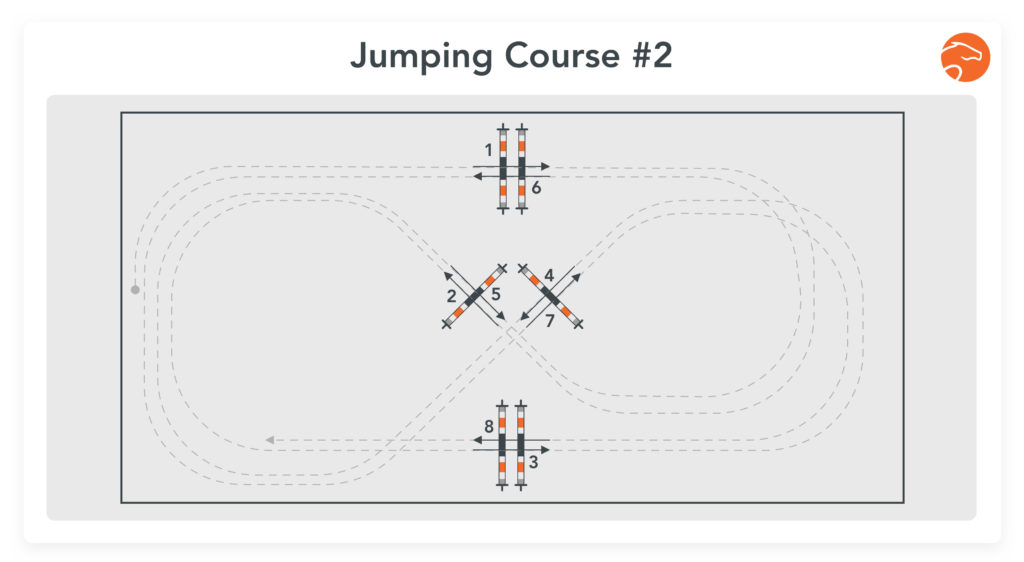
4 Jumping Course Ideas to Do in an Indoor Arena Equisense Blog
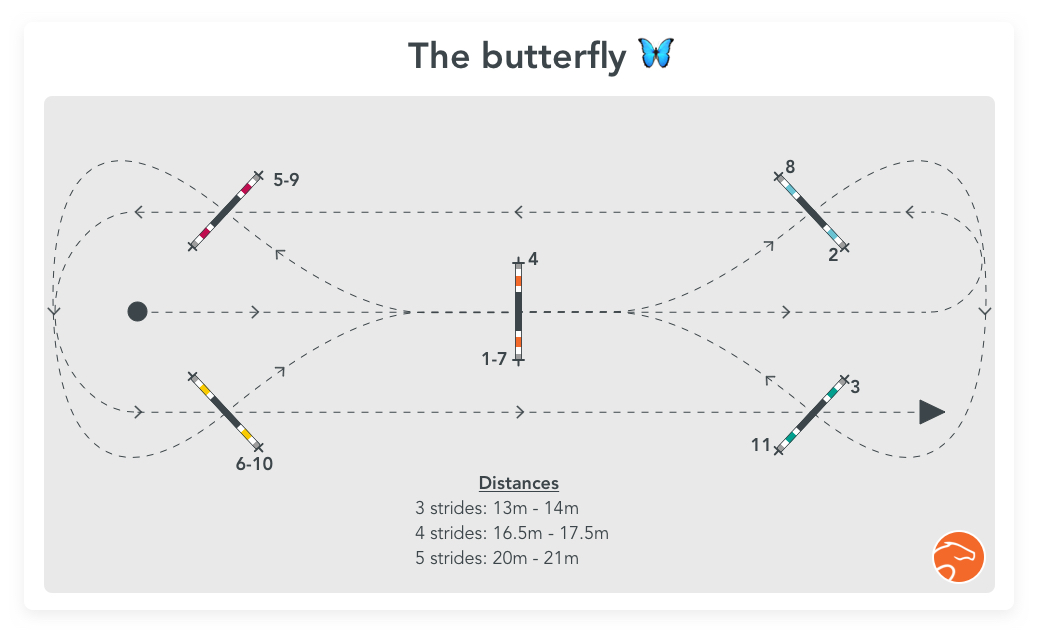
5 Jumping Combinations you can do with Few Equipment Equisense Blog

Jumper Course Course plan ideas Pinterest Jumpers and Cgi

Jump course might be the perfect setup for my arena Horse

Try this jump course from the prelims of the aqhyaworld. Horse

Basics of a Hunter Jumper Course Fly On Over Horse jumping

Notes on Show Jumping Course Design Show jumping, Equestrian jumping
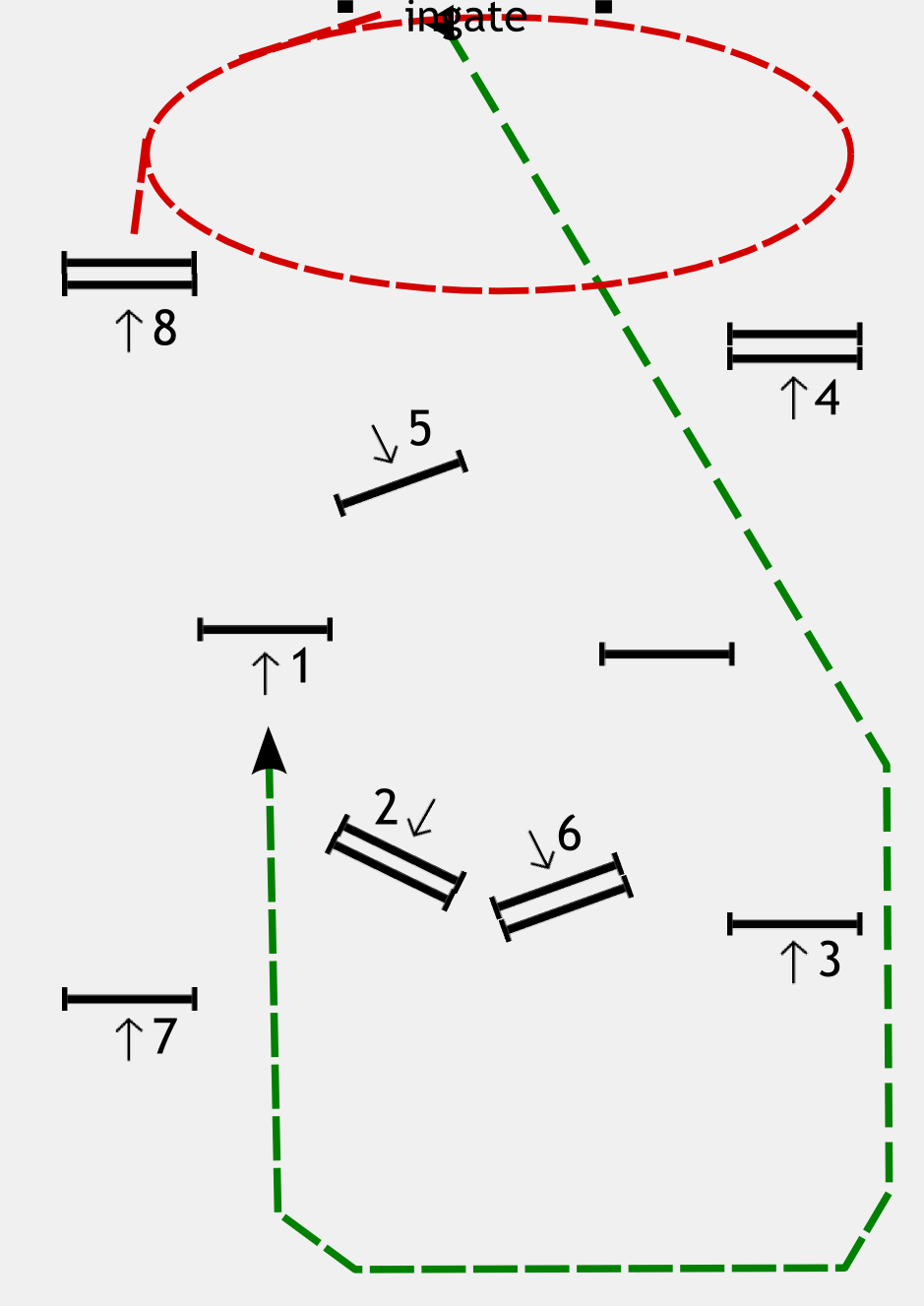
Incidents of Guidance Memorizing jump courses
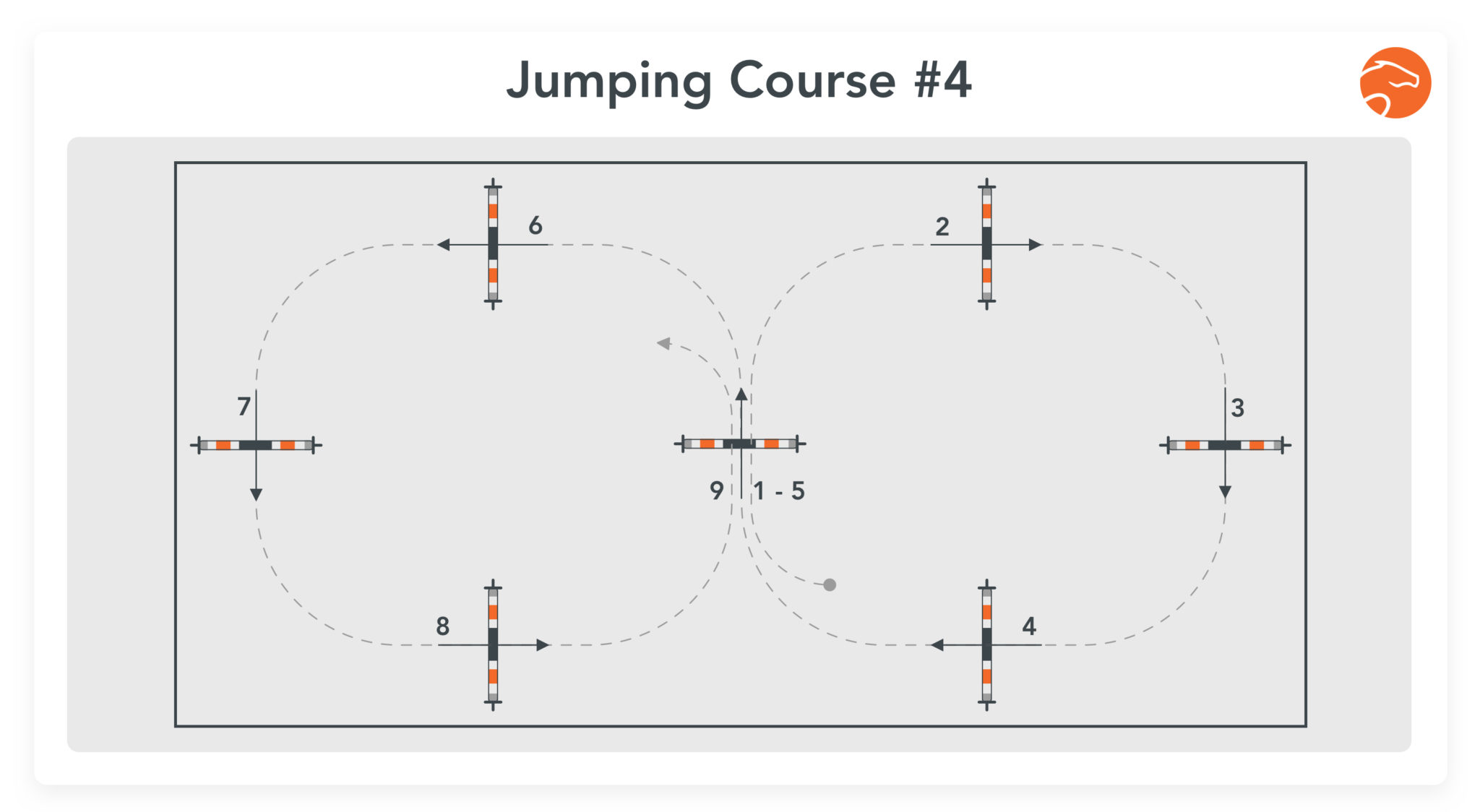
4 Jumping Course Ideas to Do in an Indoor Arena Equisense Blog

3 Basic Rules When Designing Your Own Jump Course Jumper Nation
Usually, At A Schooling Show, There Is Not An Official Coursewalk, But You May Be Given Some.
Gambler’s Choice Is An Obvious One.
Then This Guide Is For You!
Here Is Everything You Need, From Standards And Jumper Filler, To The Small Items Like Cavaletti And Jump Cups:
Related Post: