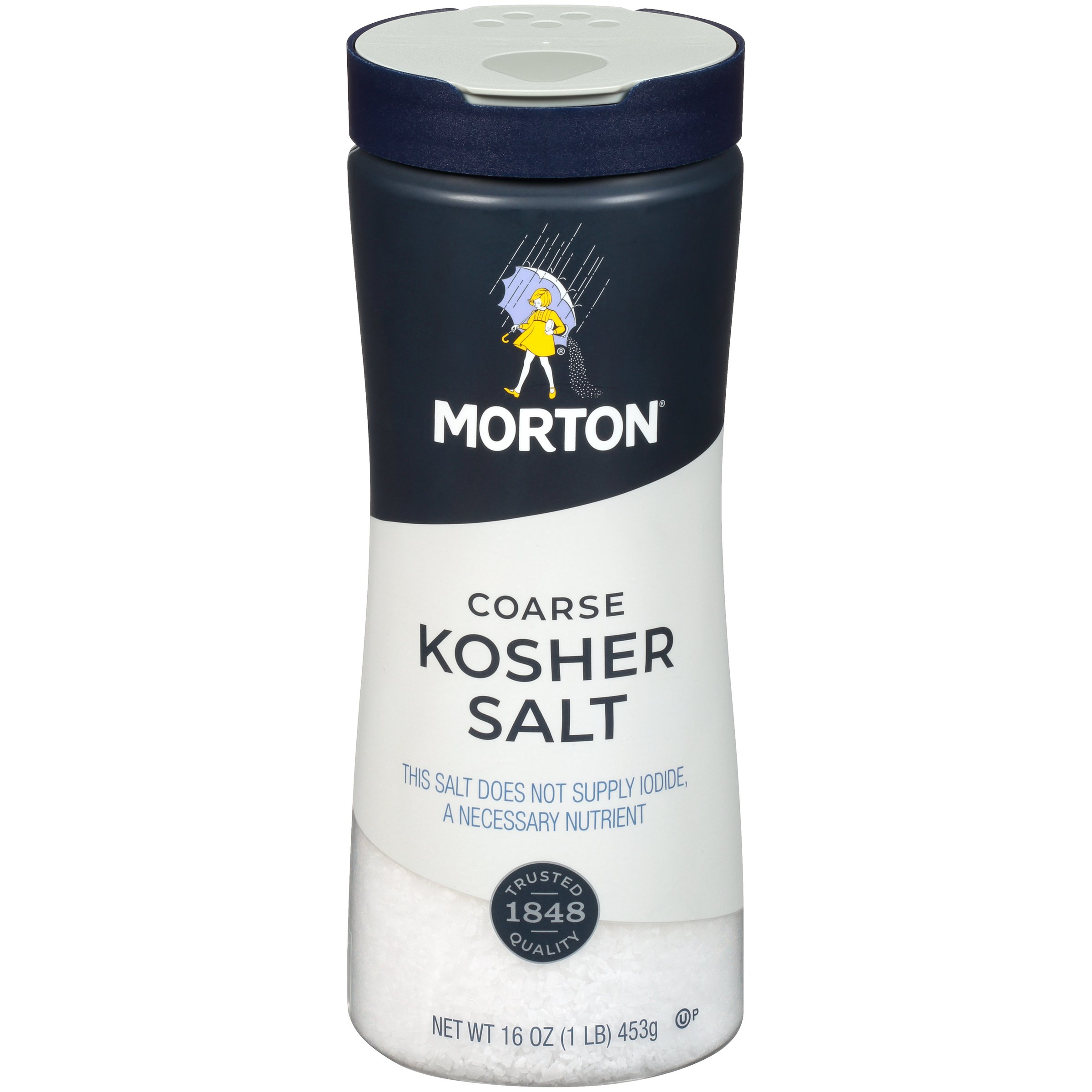
Kosher Salt Course
Kosher Salt Course - Kosher salt has a coarse and uniform texture, and its granules are easier to pinch. The primary difference between these kosher salts is that coarse kosher salt is produced by being mined while fine or regular kosher salt is processed and meets guidelines. Kosher salt or kitchen salt[1] (also called cooking salt, rock salt, kashering salt, or koshering salt) is coarse edible salt usually without common additives such as iodine, [2][3][4][5] typically. Learn to keep a kosher kitchen in eight hours! On the other hand, regular salt has small and coarse crystals. Kosher salt is typically harvested through two main methods: Made from sea salt, it’s popular for its affordability, easy access, and versatility. 90% of my cooking is done with this salt. Evaporation from saltwater or mining from underground salt deposits. Unlike table salt, which is refined into. Here's a bit of what i've learned over the years and how i use these different salts. Unlike table salt, which is refined into. Kosher salt or kitchen salt[1] (also called cooking salt, rock salt, kashering salt, or koshering salt) is coarse edible salt usually without common additives such as iodine, [2][3][4][5] typically. Kosher salt has a coarse and uniform texture, and its granules are easier to pinch. Kosher salt is a type of sea salt or mined salt with coarse, irregular grains that are smaller than those of a flaky finishing salt yet larger and coarser than the table salt you’d find in a shaker. Take advantage of our free training videos and resources or sign up for our flagship. Learn to keep a kosher kitchen in eight hours! Made from sea salt, it’s popular for its affordability, easy access, and versatility. Explore uncharted grain sizes, textures and tastes with morton ® kosher and sea salts, plus get tips that up your cooking game. Explore amazon devicesfast shippingshop best sellersshop our huge selection Regular salt is denser than kosher salt, which is why it has a saltier flavor. Take advantage of our free training videos and resources or sign up for our flagship. Many chefs and recipes call exclusively for kosher salt, for two main reasons: 90% of my cooking is done with this salt. Unlike table salt, which is refined into. Unlike table salt, which is refined into. Kosher education for the novice and experienced alike. Explore amazon devicesfast shippingshop best sellersshop our huge selection Explore uncharted grain sizes, textures and tastes with morton ® kosher and sea salts, plus get tips that up your cooking game. 90% of my cooking is done with this salt. Here's a bit of what i've learned over the years and how i use these different salts. Evaporation from saltwater or mining from underground salt deposits. It’s amazing how far the right salt can take you. Regular salt is denser than kosher salt, which is why it has a saltier flavor. Table salt is iodized, meaning extra iodine is added. It’s amazing how far the right salt can take you. Unlike table salt, which is refined into. 90% of my cooking is done with this salt. Kosher education for the novice and experienced alike. Explore uncharted grain sizes, textures and tastes with morton ® kosher and sea salts, plus get tips that up your cooking game. Unlike table salt, which is refined into. Kosher education for the novice and experienced alike. Learn to keep a kosher kitchen in eight hours! Explore amazon devicesfast shippingshop best sellersshop our huge selection The primary difference between these kosher salts is that coarse kosher salt is produced by being mined while fine or regular kosher salt is processed and meets. 90% of my cooking is done with this salt. Explore uncharted grain sizes, textures and tastes with morton ® kosher and sea salts, plus get tips that up your cooking game. Made from sea salt, it’s popular for its affordability, easy access, and versatility. On the other hand, regular salt has small and coarse crystals. Kosher salt or kitchen salt[1]. Kosher education for the novice and experienced alike. Kosher salt has a coarse and uniform texture, and its granules are easier to pinch. Many chefs and recipes call exclusively for kosher salt, for two main reasons: Kosher salt or kitchen salt[1] (also called cooking salt, rock salt, kashering salt, or koshering salt) is coarse edible salt usually without common additives. Explore amazon devicesfast shippingshop best sellersshop our huge selection On the other hand, regular salt has small and coarse crystals. Kosher salt has a coarse and uniform texture, and its granules are easier to pinch. Regular salt is denser than kosher salt, which is why it has a saltier flavor. My go to or workhorse salt. It’s amazing how far the right salt can take you. On the other hand, regular salt has small and coarse crystals. Made from sea salt, it’s popular for its affordability, easy access, and versatility. Take advantage of our free training videos and resources or sign up for our flagship. Many chefs and recipes call exclusively for kosher salt, for two. Kosher salt is typically harvested through two main methods: Take advantage of our free training videos and resources or sign up for our flagship. Evaporation from saltwater or mining from underground salt deposits. My go to or workhorse salt. The primary difference between these kosher salts is that coarse kosher salt is produced by being mined while fine or regular. Made from sea salt, it’s popular for its affordability, easy access, and versatility. 90% of my cooking is done with this salt. Many chefs and recipes call exclusively for kosher salt, for two main reasons: Evaporation from saltwater or mining from underground salt deposits. The primary difference between these kosher salts is that coarse kosher salt is produced by being mined while fine or regular kosher salt is processed and meets guidelines. Kosher salt is a type of sea salt or mined salt with coarse, irregular grains that are smaller than those of a flaky finishing salt yet larger and coarser than the table salt you’d find in a shaker. Table salt is iodized, meaning extra iodine is added during the processing, which affects the flavor. Learn to keep a kosher kitchen in eight hours! Explore amazon devicesfast shippingshop best sellersshop our huge selection Explore uncharted grain sizes, textures and tastes with morton ® kosher and sea salts, plus get tips that up your cooking game. Take advantage of our free training videos and resources or sign up for our flagship. Here's a bit of what i've learned over the years and how i use these different salts. It’s amazing how far the right salt can take you. Kosher salt is typically harvested through two main methods: On the other hand, regular salt has small and coarse crystals. My go to or workhorse salt.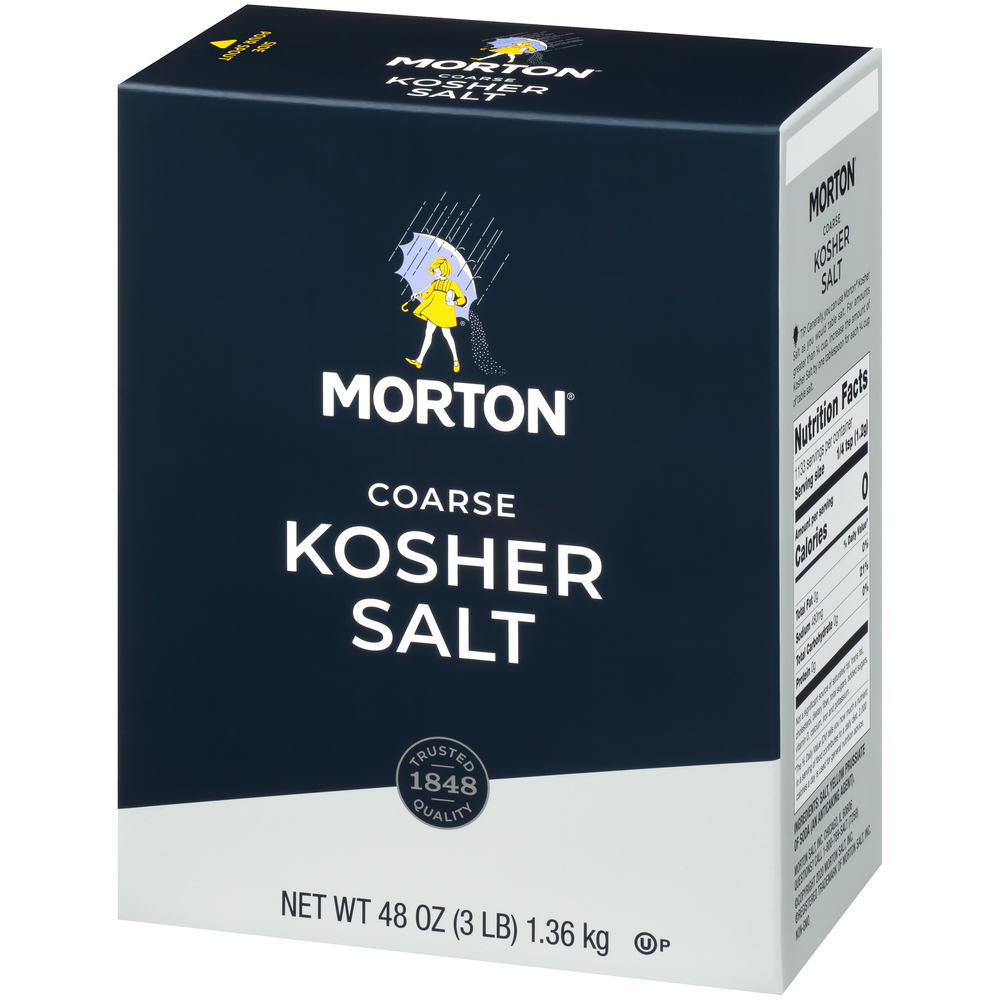
Morton Salt Coarse Kosher Salt for Cooking, Grilling, Brining, & Salt

Morton Coarse Kosher Salt, 3 Pound Amazon.fr Epicerie
Signature Select Kosher Salt Coarse 3 Pound 3 LB safeway

Morton Coarse Kosher Salt 48oz Authentic Flaky Texture for

Buy Morton Kosher Salt, Coarse, 16 Ounce Online at Lowest Price in Ubuy

Save on Giant Kosher Salt Coarse Order Online Delivery Giant

Sunny Select, Kosher Salt, Coarse , 16 OZ, 16 Ounce
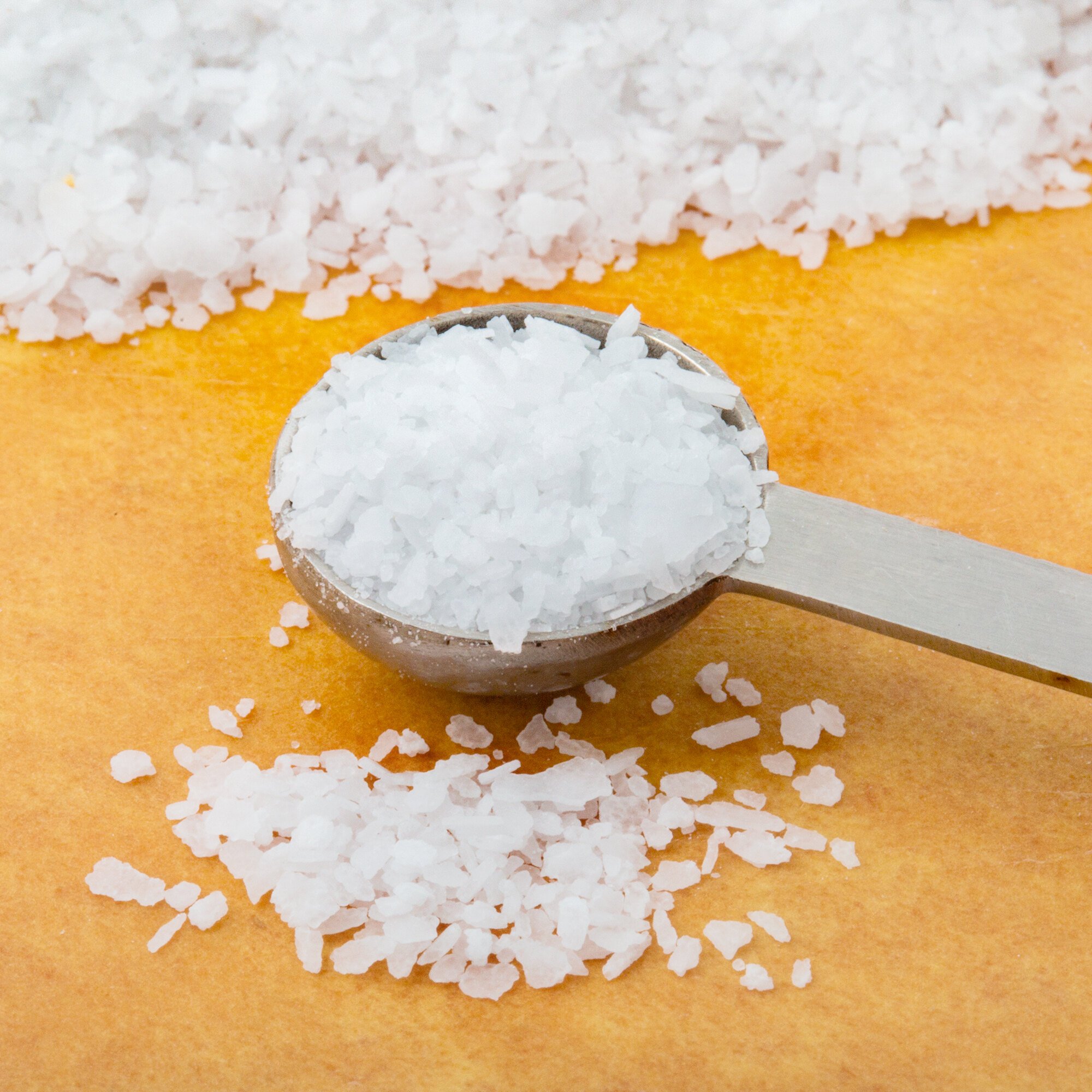
Kosher salt, coarse Delivered to your door
Morton Coarse Kosher Salt 3 lb. Box
Morton Coarse Kosher Salt Shop Herbs & Spices at HEB
Regular Salt Is Denser Than Kosher Salt, Which Is Why It Has A Saltier Flavor.
Unlike Table Salt, Which Is Refined Into.
Kosher Salt Or Kitchen Salt[1] (Also Called Cooking Salt, Rock Salt, Kashering Salt, Or Koshering Salt) Is Coarse Edible Salt Usually Without Common Additives Such As Iodine, [2][3][4][5] Typically.
Kosher Salt Has A Coarse And Uniform Texture, And Its Granules Are Easier To Pinch.
Related Post: