
Msu Elective Courses
Msu Elective Courses - Students also choose from a wide selection of electives on specialized topics such as food regulation in the european union, canada, china, codex alimentarius, fsma rules, usda law, and international trade. Ii) instrument and software technologies for key molecular imaging modalities involving both mature (mri, pet, ct, spect, optical, and ultrasound) and especially. These courses count toward the 120 minimum credits required for graduation. I) the design, development, and application of imaging probes that interrogate molecular and cellular characteristics of disease states, including nanomaterials; Electives include any of the courses listed below, or courses selected in consultation with the gsah advisor and/or director to develop an individualized program of study. Michigan state university’s institute for food laws and regulations. This is a guide of some potential electives for kin students. Foreign language skills are an asset for business students. Electives give students the opportunity to explore other areas of interest and add additional majors, minors, or certificates to their program. Here are a few worth looking into: At msu, there are several courses known to be less demanding and enjoyable which can help balance out your other courses. All courses are delivered 100% online and asynchronously. Consider language, anthropology or geography courses for your electives. Students in the regular program are required to complete 6 credits of electives. An elective (or general elective) is any course outside of university, college, and major requirements. Students also choose from a wide selection of electives on specialized topics such as food regulation in the european union, canada, china, codex alimentarius, fsma rules, usda law, and international trade. Foreign language skills are an asset for business students. I’ve included a mix of electives, university requirements, and some human. Elective courses taken at the 300+ level, also satisfy the upper level requirement. This is a guide of some potential electives for kin students. This is a guide of some potential electives for kin students. Please refer to the archived course descriptions for additional information. Electives give students the opportunity to explore other areas of interest and add additional majors, minors, or certificates to their program. Below i will be outlining some of my favorite classes that i’ve taken and highly recommend. The course. An elective (or general elective) is any course outside of university, college, and major requirements. The searches below only return course versions fall 2000 and forward. I) the design, development, and application of imaging probes that interrogate molecular and cellular characteristics of disease states, including nanomaterials; Elective courses taken at the 300+ level, also satisfy the upper level requirement. Electives. Foreign language skills are an asset for business students. Electives include any of the courses listed below, or courses selected in consultation with the gsah advisor and/or director to develop an individualized program of study. A broad choice of electives allows the student to design a program of study that encompasses their interests and abilities to meet future career aspirations.. Asking for any recommendations on classes or electives that you genuinely enjoyed here whether it was the prof or the content (no world of turf or anything that is j supposed to be “easy credits”). I want to take something good interesting not boring and easy. This is a guide of some potential electives for kin students. Elective courses taken. I want to take something good interesting not boring and easy. You must meet the prerequisites for the classes you choose. If you have basic technology skills, this class should be a breeze, plus it can be helpful for any career field. The michigan state university official catalog is comprised of two sections both of which are available online. Ii). An elective (or general elective) is any course outside of university, college, and major requirements. Students also choose from a wide selection of electives on specialized topics such as food regulation in the european union, canada, china, codex alimentarius, fsma rules, usda law, and international trade. Electives give students the opportunity to explore other areas of interest and add additional. I’ve included a mix of electives, university requirements, and some human. Students in the regular program are required to complete 6 credits of electives. An elective (or general elective) is any course outside of university, college, and major requirements. This course is designed to provide an elective opportunity for interprofessional, undergraduate, graduate or honor’s option students to analyze the complex. Feel free to explore schedule of courses or ask a kin advisor for additional suggestions that fit with your interests. While elective courses do not fulfill university, college, or department/school course requirements, they do apply toward the fulfillment of the 120 minimum total credit requirement for a bachelors degree. Students also choose from a wide selection of electives on specialized. I’ve included a mix of electives, university requirements, and some human. Below i will be outlining some of my favorite classes that i’ve taken and highly recommend. The course descriptions catalog describes all undergraduate and graduate courses offered by michigan state university. Interested in courses with an international focus? I want to take something good interesting not boring and easy. This course is designed to provide an elective opportunity for interprofessional, undergraduate, graduate or honor’s option students to analyze the complex transitional needs of adults with intellectual and/or developmental disabilities (i/dd). Electives give students the opportunity to explore other areas of interest and add additional majors, minors, or certificates to their program. For the gsah minor, students take 9 credits. Listed below are suggestions for elective courses you may want to take. The searches below only return course versions fall 2000 and forward. I’ve included a mix of electives, university requirements, and some human. Interested in courses with an international focus? Feel free to explore schedule of courses or ask a kin advisor for additional suggestions that fit with your interests. Foreign language skills are an asset for business students. These courses count toward the 120 minimum credits required for graduation. For the gsah minor, students take 9 credits in elective courses. Electives are often necessary to reach 120 credit hours to complete a bachelor’s degree at michigan state university. At msu, there are several courses known to be less demanding and enjoyable which can help balance out your other courses. The michigan state university official catalog is comprised of two sections both of which are available online. Ii) instrument and software technologies for key molecular imaging modalities involving both mature (mri, pet, ct, spect, optical, and ultrasound) and especially. Electives help students reach the required 120 credits for graduation. This course is designed to provide an elective opportunity for interprofessional, undergraduate, graduate or honor’s option students to analyze the complex transitional needs of adults with intellectual and/or developmental disabilities (i/dd). Electives give students the opportunity to explore other areas of interest and add additional majors, minors, or certificates to their program. I) the design, development, and application of imaging probes that interrogate molecular and cellular characteristics of disease states, including nanomaterials;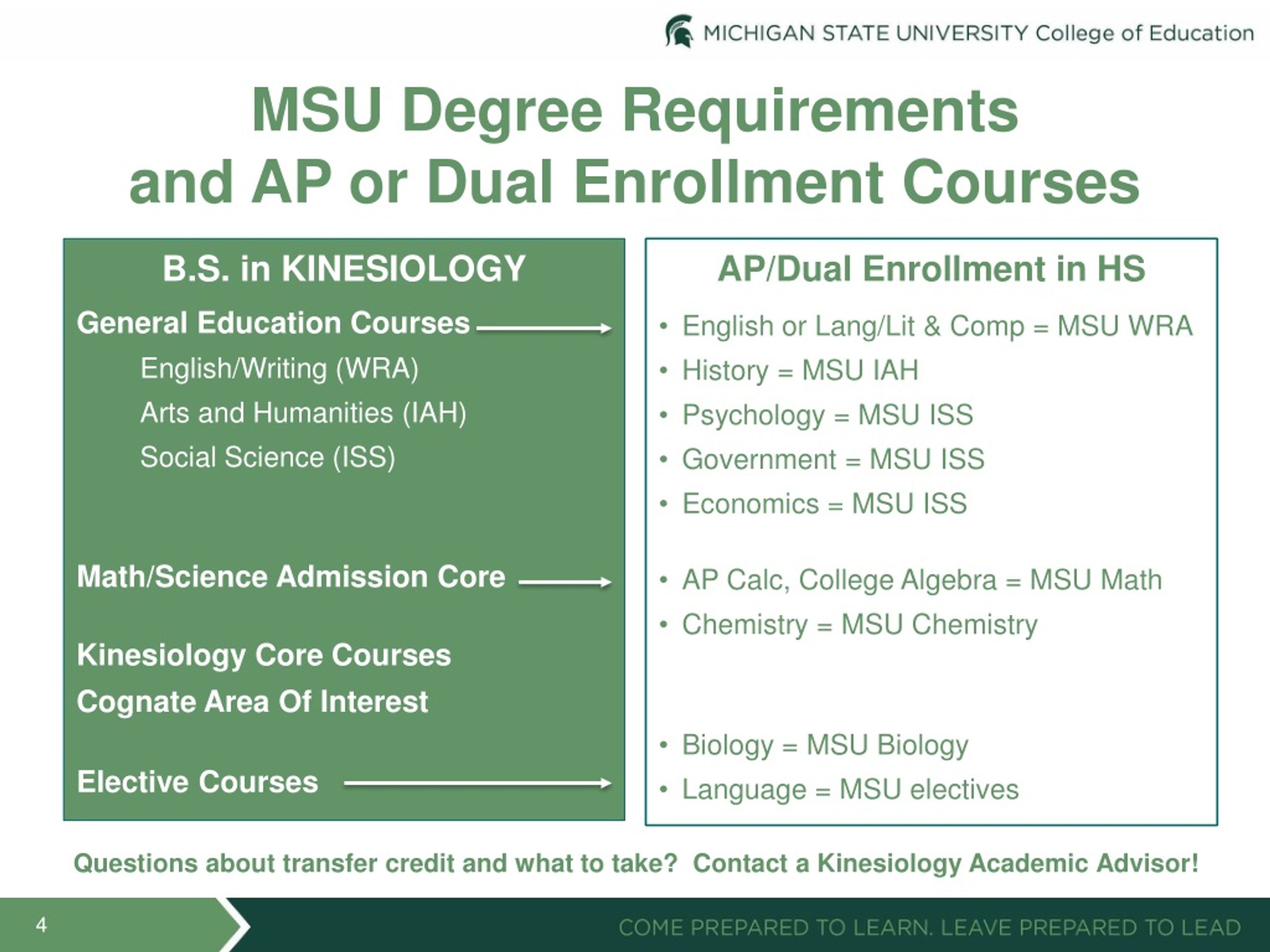
PPT Explore Kinesiology Science of Human Movement & Career
PPT The Incredible INDIA Elective Course Irina Petrosyan FFL MSU 201

Pronunciation Live lecture 4 (MSU elective course) YouTube
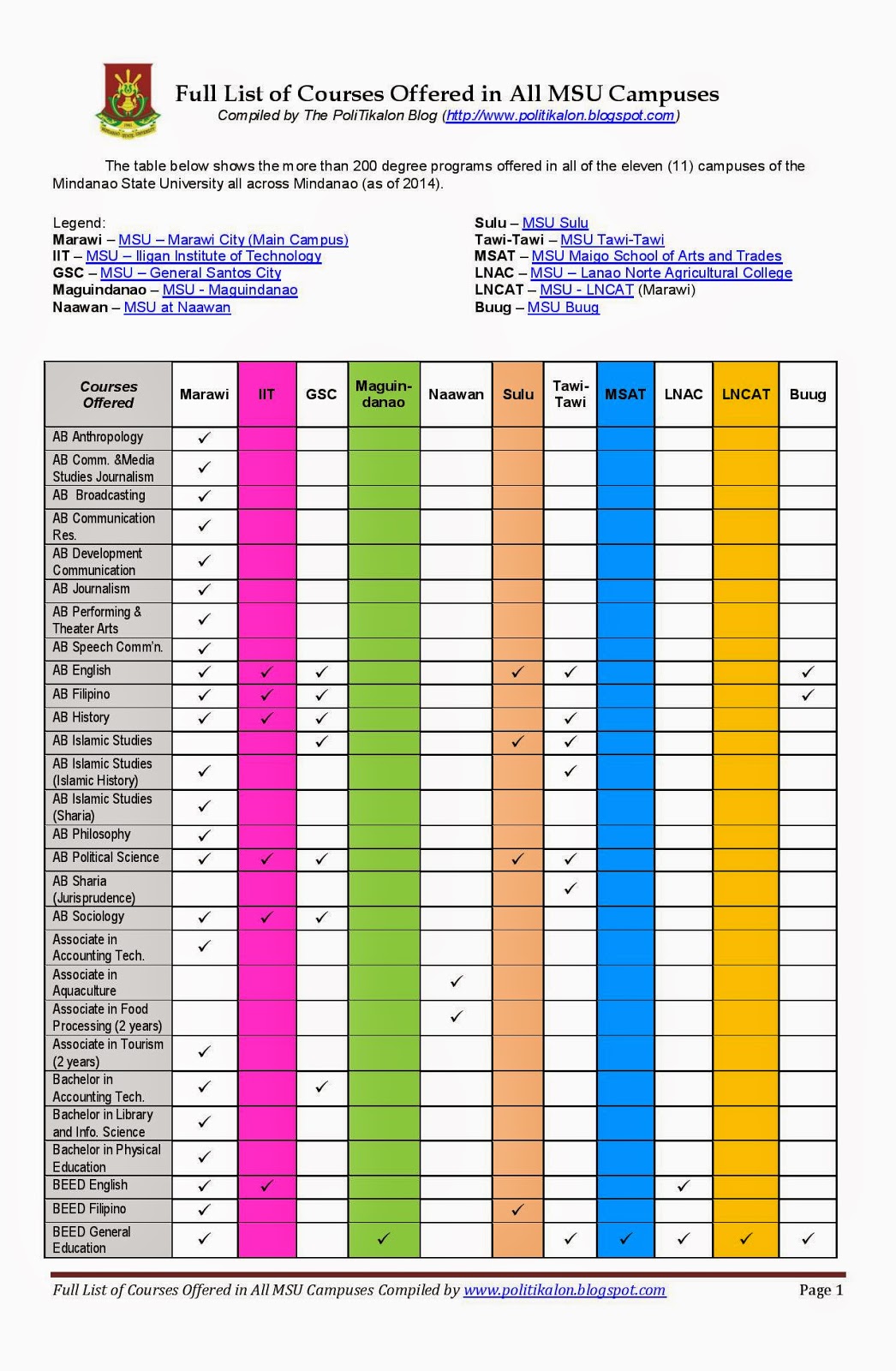
Msu Course Schedule Examples and Forms
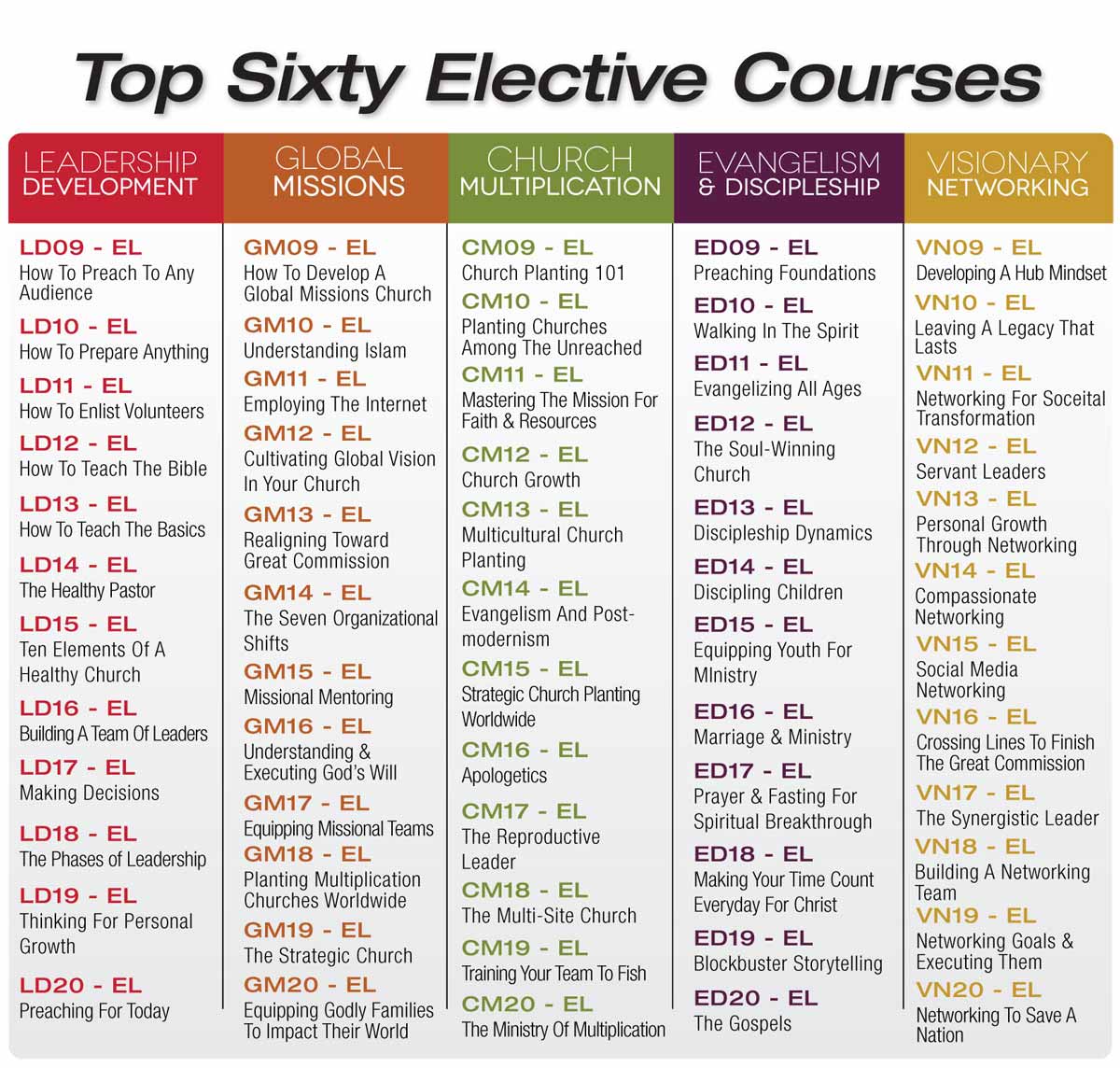
About GCLC

Choosing an advanced Bio elective r/msu

MBA Curriculum MSU Broad College of Business
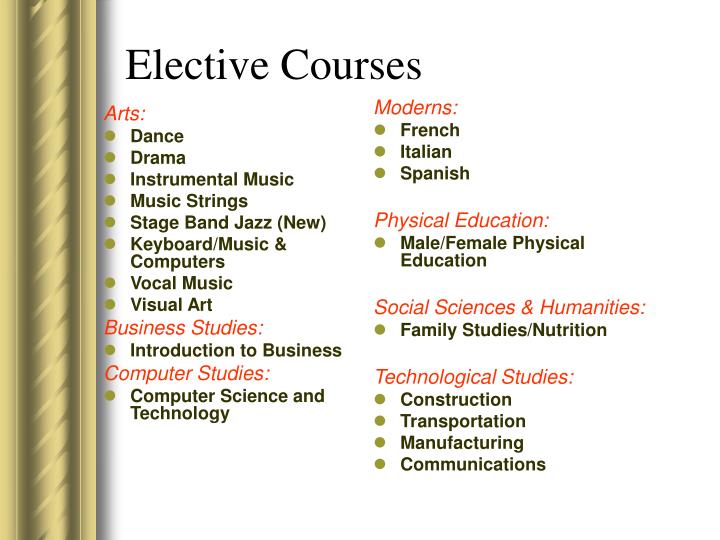
PPT Parent Course Selection Information Night For Grade 10 seh.ycdsb

Medical Education College of Human Medicine Michigan State University
msu elective requirements
Elective Courses Taken At The 300+ Level, Also Satisfy The Upper Level Requirement.
Please Use This List To Select Your Top Ten Electives, To Complete Your Nso Homework One Week Before Your Advising Date.
All Courses Are Delivered 100% Online And Asynchronously.
Consider Language, Anthropology Or Geography Courses For Your Electives.
Related Post: