
Of Course It Is
Of Course It Is - Used to show that what you are saying is…. We use of course to refer to things that are obvious or already known to the speaker and listener, or to everybody: In the proper form of writing, “of course” consists of two distinct words of which”of” as a of preposition “of” and the noun “course.” together, they make up an idiomatic term that. Off course” is a correct phrase that means deviating from a planned path, like a plane going off course due to bad weather. “of course” is a phrase used to express agreement or to confirm something without hesitation. It is always written as two separate words. Used to say 'yes' and emphasize your answer: Used to say yes or to give someone permission to do something: [ spoken , emphasis ] 'i expect you're right.'—'of. “of course” is the proper phrase to use when you want to express certainty, agreement, or something that is obvious, while “ofcourse” is simply an incorrect spelling that. It is always written as two separate words. However, “offcourse” is not a correct word; Used to show that what you…. For example, if someone asks if you can. Off course” is a correct phrase that means deviating from a planned path, like a plane going off course due to bad weather. “of course” is the proper phrase to use when you want to express certainty, agreement, or something that is obvious, while “ofcourse” is simply an incorrect spelling that. We use of course to refer to things that are obvious or already known to the speaker and listener, or to everybody: What do “of course” and “ofcourse” mean? Used to show that what you…. ‘don’t you like my mother?’ ‘of course i do!’ ♢ ‘will you be there?’ ‘course i will.’ 2 (also course informal ). For example, if someone asks if you can. Here is the short answer: [ spoken , emphasis ] 'i expect you're right.'—'of. “of course” is the proper phrase to use when you want to express certainty, agreement, or something that is obvious, while “ofcourse” is simply an incorrect spelling that. 1 (also course informal) used to emphasize that what you. Used to show that what you are saying is…. Off course” is a correct phrase that means deviating from a planned path, like a plane going off course due to bad weather. We use of course to refer to things that are obvious or already known to the speaker and listener, or to everybody: 'ofcourse' is a grammatical error in. [ spoken , emphasis ] 'i expect you're right.'—'of. “you can of course borrow my car.” expressing the obvious: Used to say yes or to give someone permission to do something: Used to say 'yes' and emphasize your answer: I guess you're right.—of course i'm right! of. We use of course to mean ‘yes’ when we are giving permission to someone to do something: For example, if someone asks if you can. “you can of course borrow my car.” expressing the obvious: It is always written as two separate words. However, “offcourse” is not a correct word; In the customary or expected order, naturally, as in the new minister did not, of course, fire the church secretary. A tropical climate is, of course, very humid, so we sweated all the time. You use of course in order to emphasize a statement that you are making, especially when you are agreeing or disagreeing with someone. [ spoken ,. The phrase “of course” is an idiomatic expression used to affirm something that is obvious, expected, or accepted without question. Used to say yes or to give someone permission to do something: It is always written as two separate words. Used to show that what you…. [ spoken , emphasis ] 'i expect you're right.'—'of. “of course” is a phrase used to express agreement or to confirm something without hesitation. A tropical climate is, of course , very humid, so we sweated all the time. We use of course to refer to things that are obvious or already known to the speaker and listener, or to everybody: In the proper form of writing, “of course”. In the proper form of writing, “of course” consists of two distinct words of which”of” as a of preposition “of” and the noun “course.” together, they make up an idiomatic term that. A common english phrase for clearer communication. In the customary or expected order, naturally, as in the new minister did not, of course, fire the church secretary. Here. Used to say 'yes' and emphasize your answer: This usage, first recorded in 1548, employs course in the sense of “ordinary. Of course is a versatile adverbial phrase that can be used in numerous ways, including: Used to show that what you are saying is…. Used to show that what you…. In the customary or expected order, naturally, as in the new minister did not, of course, fire the church secretary. What do “of course” and “ofcourse” mean? We use of course to mean ‘yes’ when we are giving permission to someone to do something: The phrase “of course” is an idiomatic expression used to affirm something that is obvious, expected,. “you can of course borrow my car.” expressing the obvious: A common english phrase for clearer communication. A tropical climate is, of course , very humid, so we sweated all the time. “of course” is the proper phrase to use when you want to express certainty, agreement, or something that is obvious, while “ofcourse” is simply an incorrect spelling that. You use of course in order to emphasize a statement that you are making, especially when you are agreeing or disagreeing with someone. In the proper form of writing, “of course” consists of two distinct words of which”of” as a of preposition “of” and the noun “course.” together, they make up an idiomatic term that. Of course is a versatile adverbial phrase that can be used in numerous ways, including: Used to say yes or to give someone permission to do something: Off course” is a correct phrase that means deviating from a planned path, like a plane going off course due to bad weather. 'ofcourse' is a grammatical error in which of and. In the customary or expected order, naturally, as in the new minister did not, of course, fire the church secretary. Used to say 'yes' and emphasize your answer: ‘don’t you like my mother?’ ‘of course i do!’ ♢ ‘will you be there?’ ‘course i will.’ 2 (also course informal ). “of course” is a phrase used to express agreement or to confirm something without hesitation. Used to show that what you are saying is…. Used to say yes or to give someone permission to do something:
"Of Course" Easy Comma Guide + Examples (All Variations)
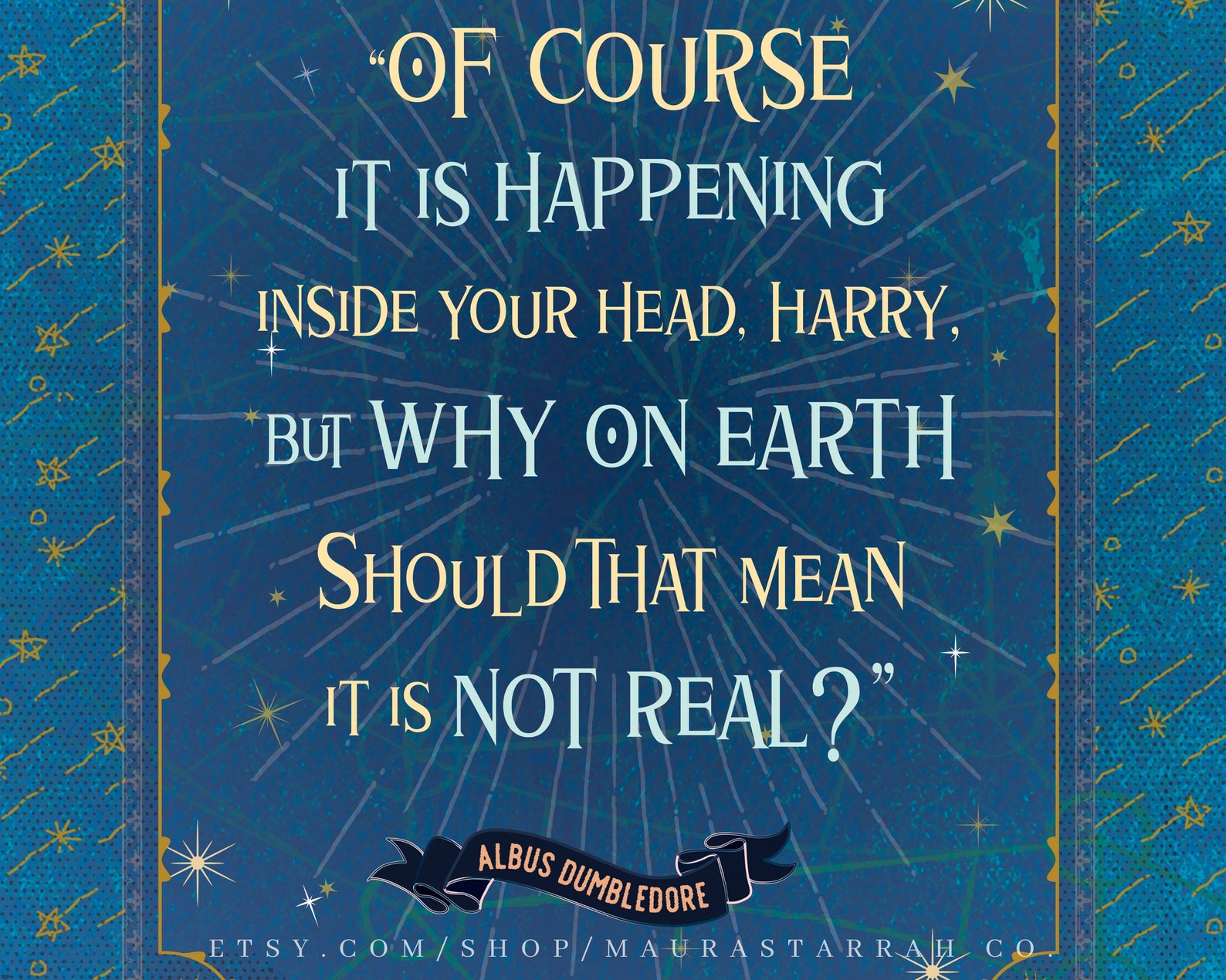
Dumbledore Quote Printable Of course it is happening inside Etsy

"Of course it is happening inside your head, Harry. But why on Earth

Of course or ofcourse which form is correct? Difference…
‘Of Course’ or ‘Ofcourse’ Which is Correct?

Meme "OF COURSE" All Templates
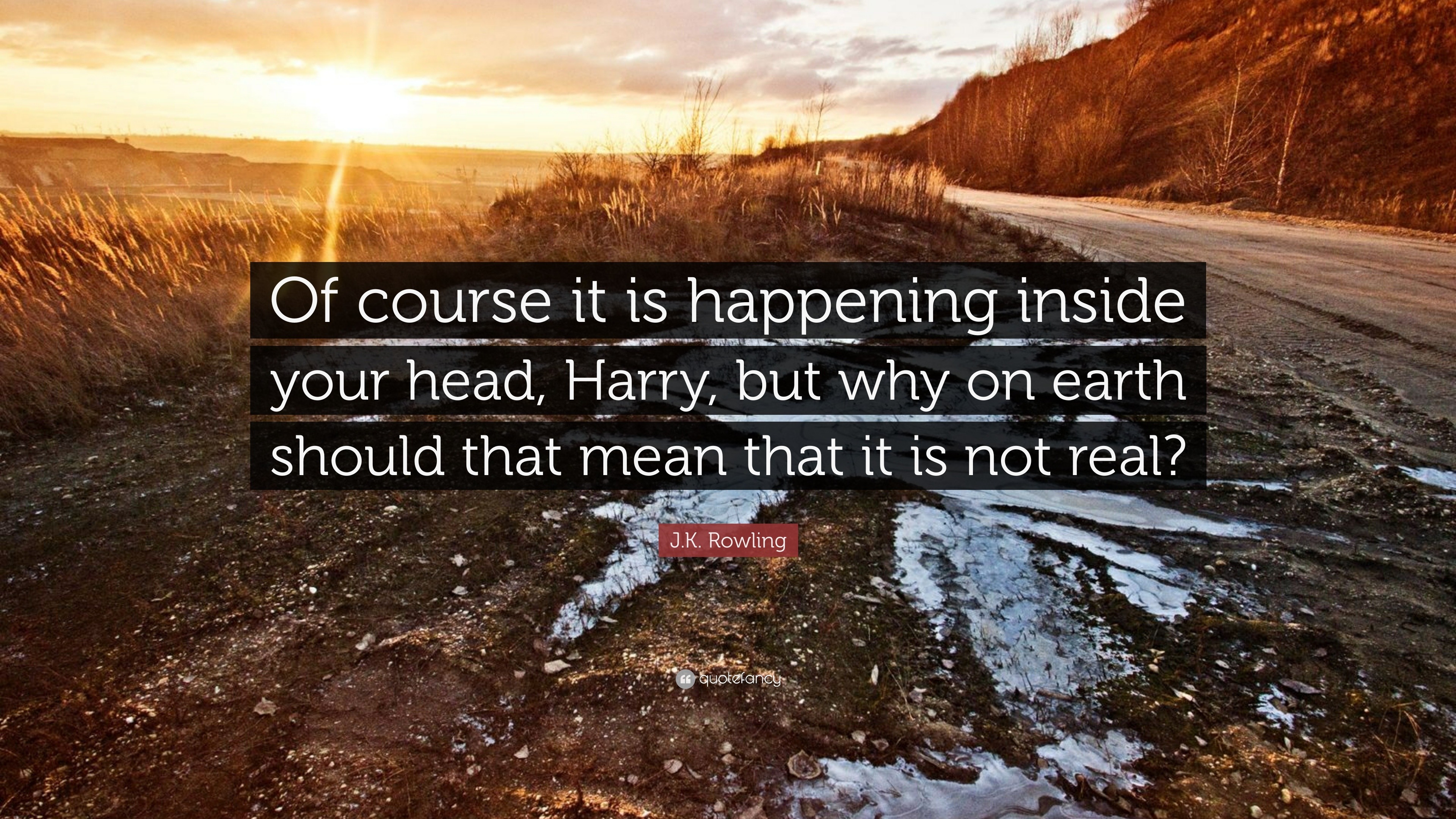
J.K. Rowling Quote “Of course it is happening inside your head, Harry
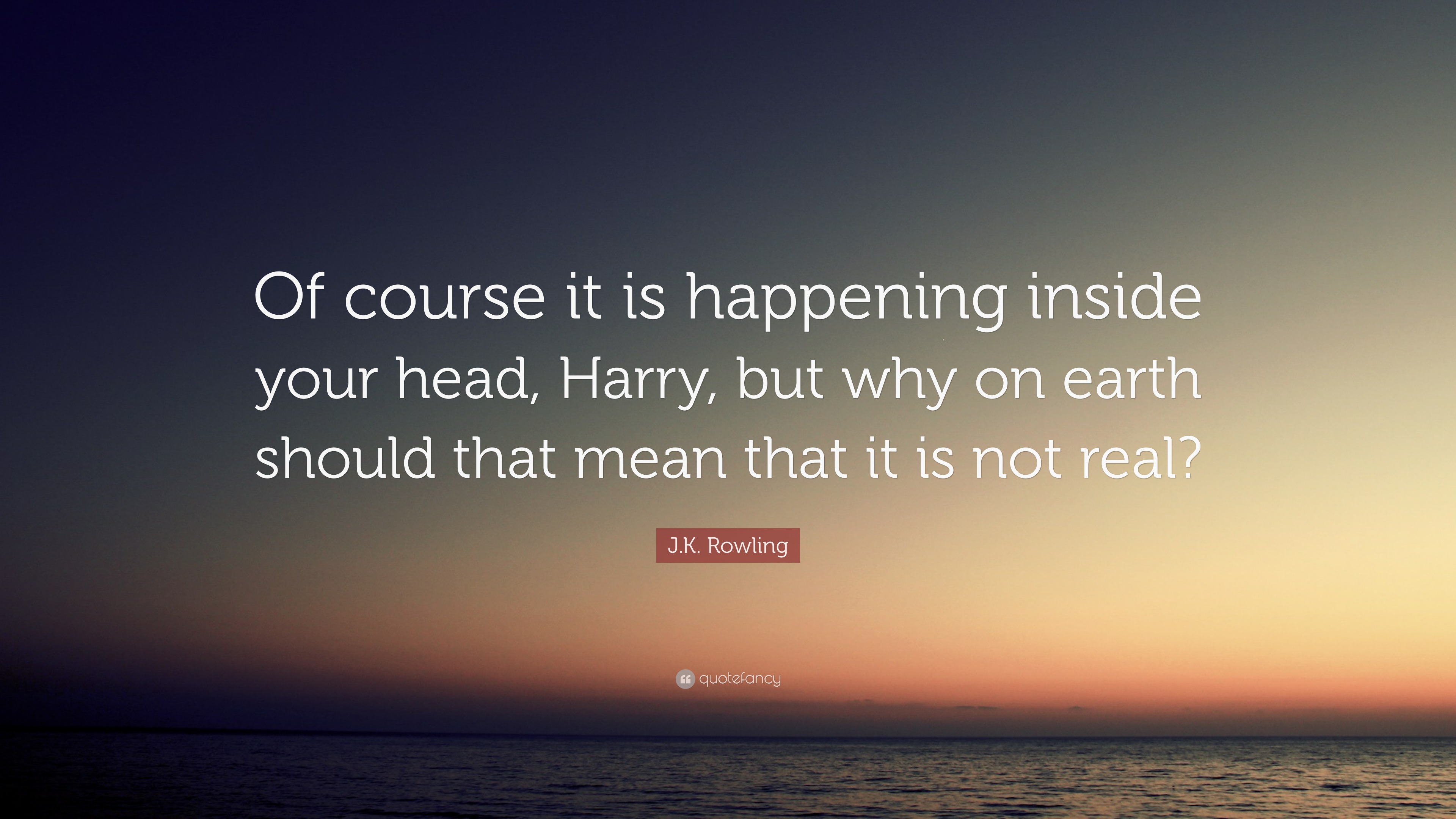
J.K. Rowling Quote “Of course it is happening inside your head, Harry
Margaret Thatcher Quote “Of course it’s the same old story. Truth

of course it's happening inside your head, harry. Harry potter quotes
The Phrase “Of Course” Is An Idiomatic Expression Used To Affirm Something That Is Obvious, Expected, Or Accepted Without Question.
Used To Show That What You….
What Do “Of Course” And “Ofcourse” Mean?
It Is Always Written As Two Separate Words.
Related Post: