
River Lower Course
River Lower Course - The spring bird migration is here. What is the lower course of a river? The river has more energy and the volume. The lower course of a river can be divided into three main parts: Discover how rivers shape the landscape and. This part of the river is characterized by wider channels, slower flow,. The upper course is a region of erosion, steep slopes, and rapid water flow, while the lower course. Under normal low conditions, the river is contained within its banks and so no sediment is available to form levees of the floodplain. Learn about the lower course of a river and explore a helpful diagram to understand its features, including meanders, levees, deltas, and more. The lower course of a river is the final stage of the river’s journey, from just downstream of the middle course to the river’s mouth, where it flows into a. The source, the tributaries, and the floodplain. Hit the trails at north park village nature center with the chicago bird alliance for spring. Explore depth map of , all important information. In short, a river transforms from a powerful, erosive force carving a steep, rugged landscape in its upper reaches to a gentle, meandering waterway depositing sediment across. The end of a river is called the lower course. However, during periods of high rainfall and. The upper course is a region of erosion, steep slopes, and rapid water flow, while the lower course. The lower course of a river is the section where the river approaches its mouth and typically flows through flatter terrain. The spring bird migration is here. This is where the river flows into another body of water, like the sea or another river. The lower course of a river is the section where the river approaches its mouth and typically flows through flatter terrain. North park village nature center, 5801 n. The mississippi river forms the western border of illinois in a 581 mile stretch of its course and as such is the longest river in the state. Discover how rivers shape the. The spring bird migration is here. Discover how rivers shape the landscape and. North park village nature center, 5801 n. Under normal low conditions, the river is contained within its banks and so no sediment is available to form levees of the floodplain. This is where the river flows into another body of water, like the sea or another river. The spring bird migration is here. In this article you can learn about: The lower course of a river can be divided into three main parts: Learn about the lower course of a river and explore a helpful diagram to understand its features, including meanders, levees, deltas, and more. 1) in the lower course of the river the gradient is. In short, a river transforms from a powerful, erosive force carving a steep, rugged landscape in its upper reaches to a gentle, meandering waterway depositing sediment across. On the other hand, the lower course of a river is where there is the least channel roughness. The end of a river is called the lower course. Illinois river nautical chart shows. The illinois river flows entirely within our state and is the. What are the features in the lower course of a river? This is where the river flows into another body of water, like the sea or another river. Under normal low conditions, the river is contained within its banks and so no sediment is available to form levees of. The river source refers to where the river begins and the source. What is the lower course of a river? 1) in the lower course of the river the gradient is gentler than in the upper course. The end of a river is called the lower course. The lower course of a river is the section where the river approaches. Today, the main stem of the chicago river flows west from lake michigan to wolf point, where it converges with the north branch to flow into the south branch, where the river's course goes. The lower course of a river is the final stage of the river’s journey, from just downstream of the middle course to the river’s mouth, where. The illinois river flows entirely within our state and is the. The upper course is a region of erosion, steep slopes, and rapid water flow, while the lower course. This is where the river flows into another body of water, like the sea or another river. In short, a river transforms from a powerful, erosive force carving a steep, rugged. The lower course of a river is the section where the river approaches its mouth and typically flows through flatter terrain. Today, the main stem of the chicago river flows west from lake michigan to wolf point, where it converges with the north branch to flow into the south branch, where the river's course goes. The upper course is a. The river source refers to where the river begins and the source. The river has more energy and the volume. The illinois river flows entirely within our state and is the. This part of the river is characterized by wider channels, slower flow,. The source, the tributaries, and the floodplain. The spring bird migration is here. Local anglers worry the passage. Under normal low conditions, the river is contained within its banks and so no sediment is available to form levees of the floodplain. Today, the main stem of the chicago river flows west from lake michigan to wolf point, where it converges with the north branch to flow into the south branch, where the river's course goes. Discover how rivers shape the landscape and. Learn about the lower course of a river and explore a helpful diagram to understand its features, including meanders, levees, deltas, and more. On the other hand, the lower course of a river is where there is the least channel roughness. The river has more energy and the volume. In this article you can learn about: Illinois river nautical chart shows depths and hydrography on an interactive map. In short, a river transforms from a powerful, erosive force carving a steep, rugged landscape in its upper reaches to a gentle, meandering waterway depositing sediment across. The upper course is a region of erosion, steep slopes, and rapid water flow, while the lower course. The differences between the upper and lower courses of a river are stark. The end of a river is called the lower course. The lower course of a river can be divided into three main parts: Hit the trails at north park village nature center with the chicago bird alliance for spring.
River Landforms of the Lower Course by TheGeographyOasis Teaching
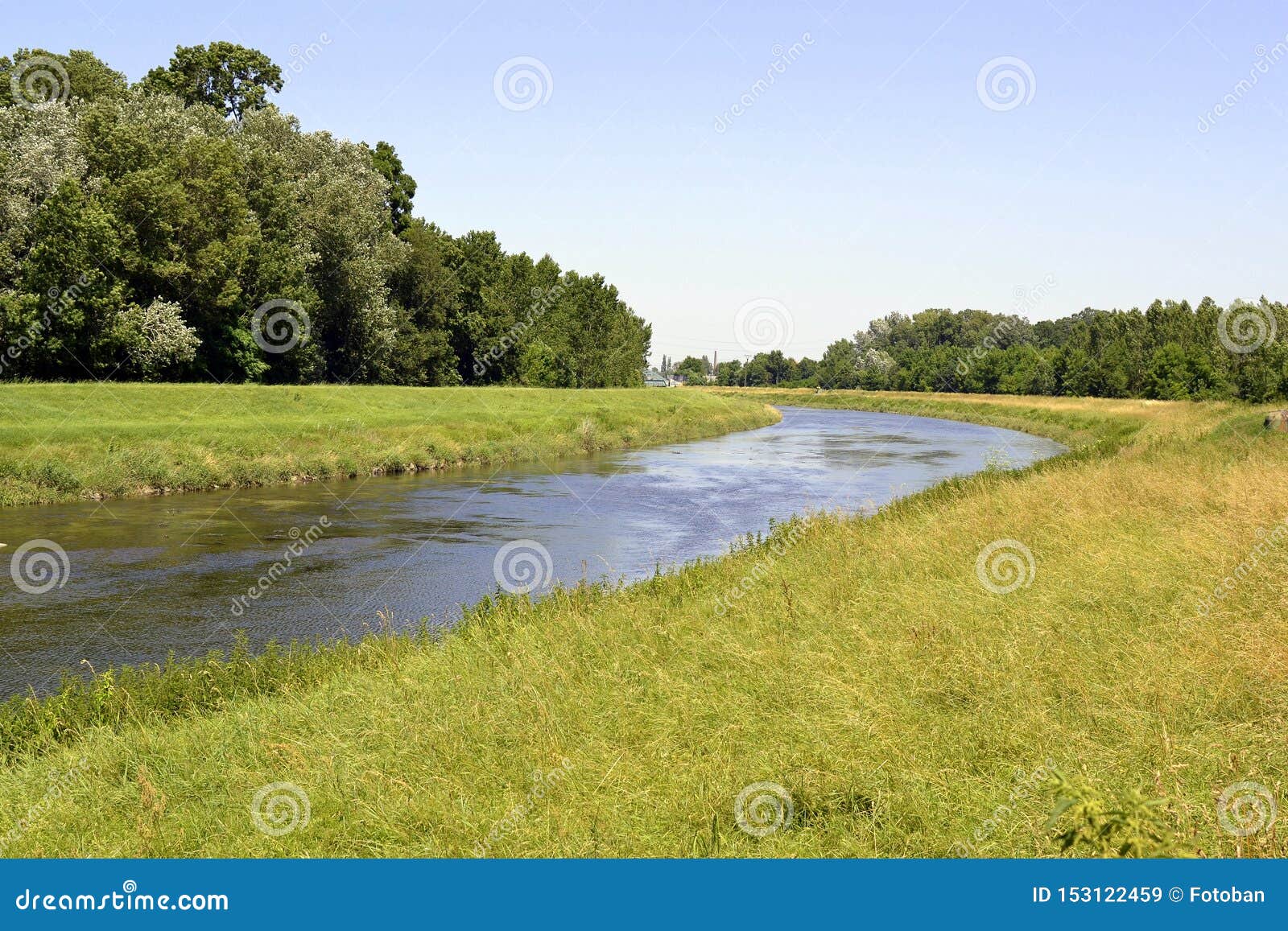
River Thaya on Lower Course in Dry Season Stock Image Image of river
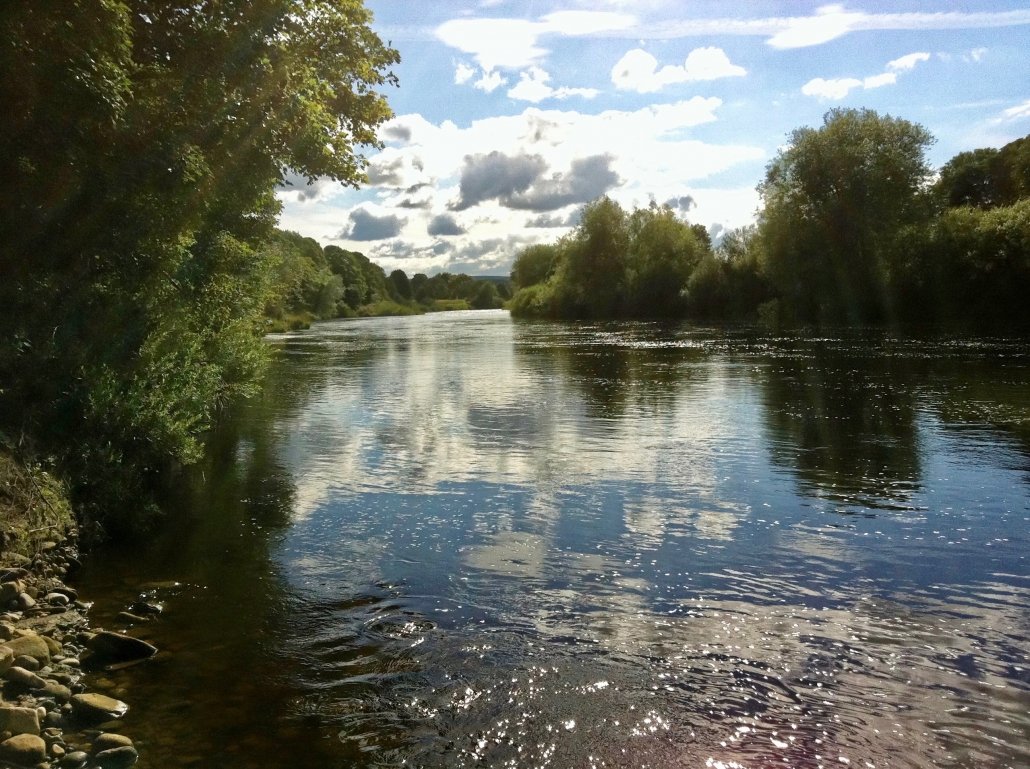
The Long Profile of a River Geography
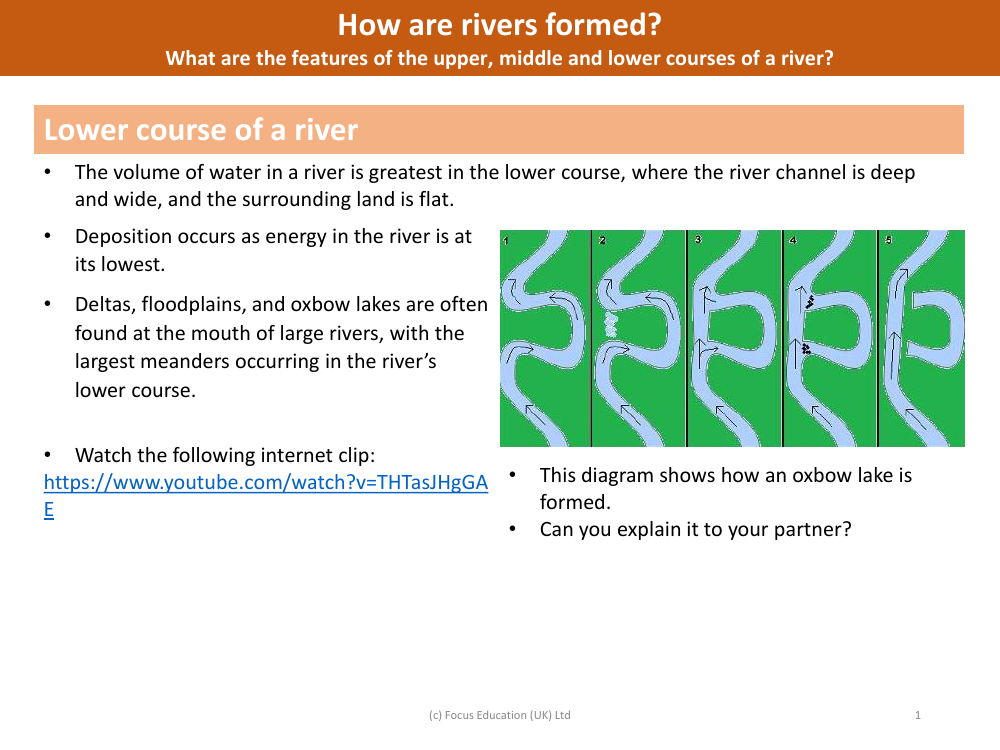
Lower course of a river Info sheet Year 3 Geography

River Lower Course Landforms The Geo Room
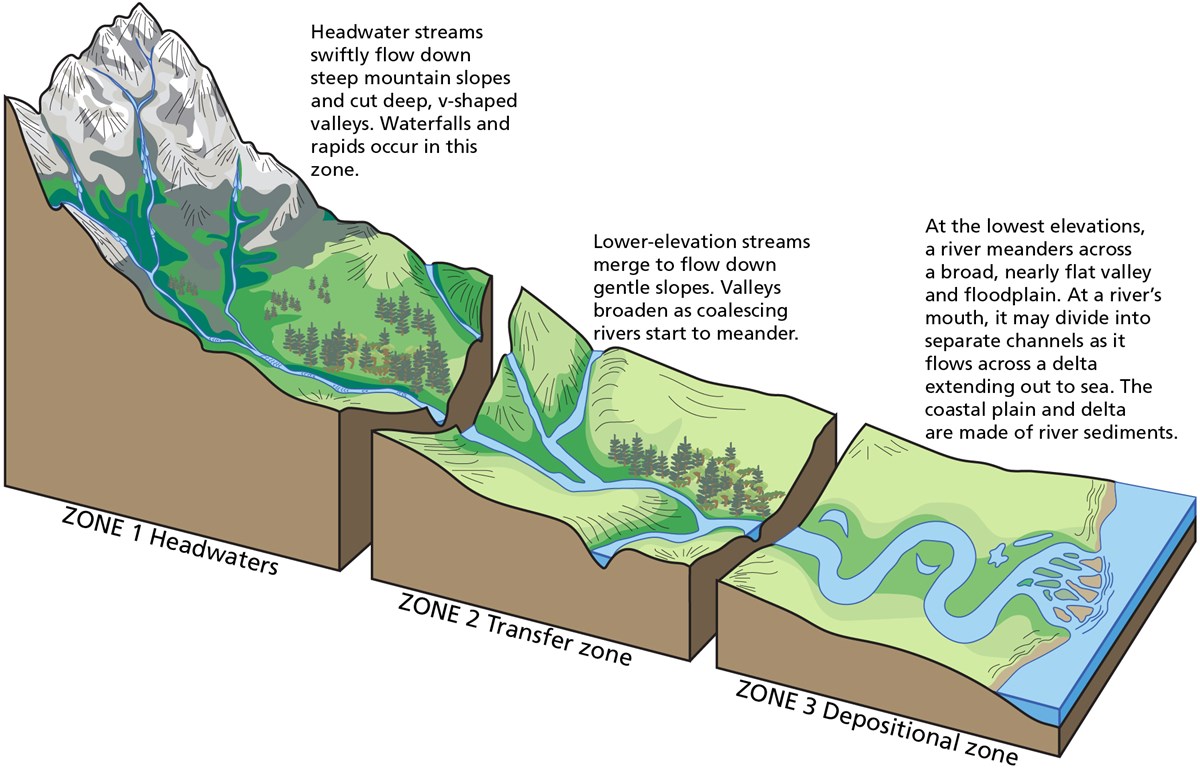
River Systems and Fluvial Landforms Geology (U.S. National Park Service)
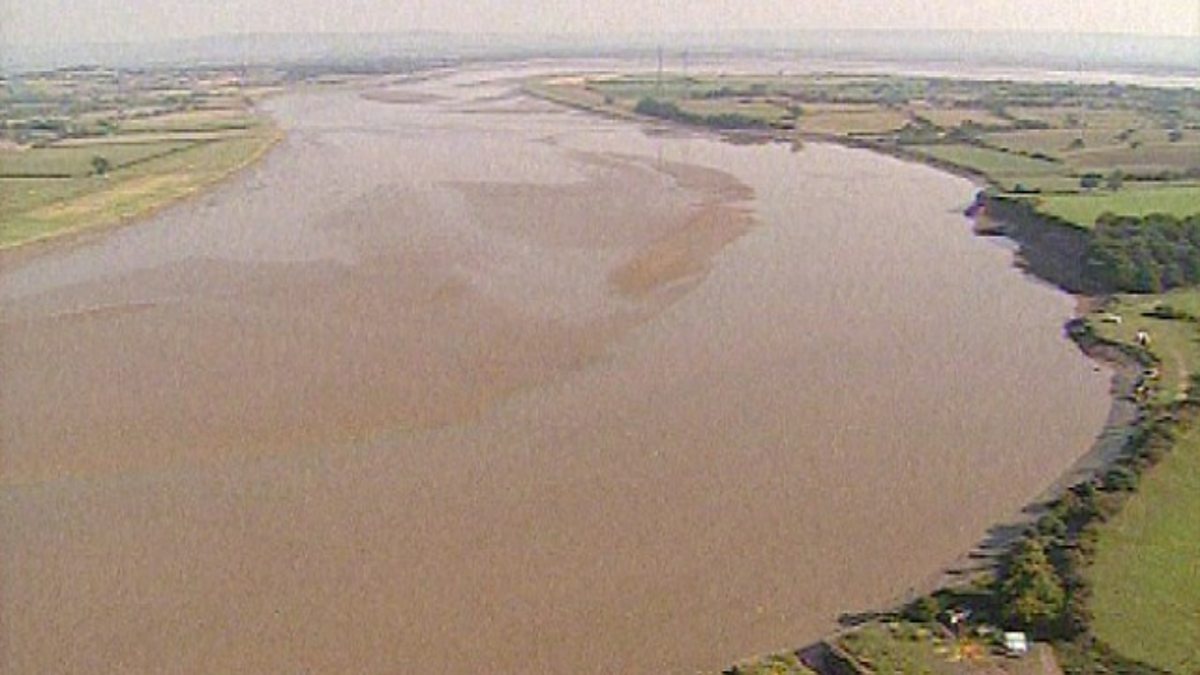
BBC Two Landmarks, The River Severn, The Course of the River, Effect
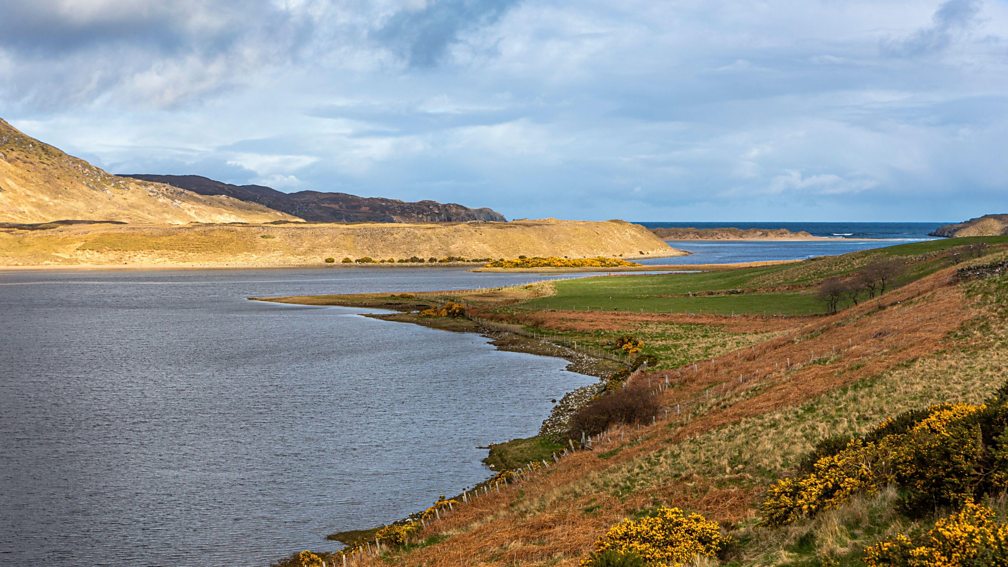
Scotland Geography Rivers Lower course P5, P6, P7 Second
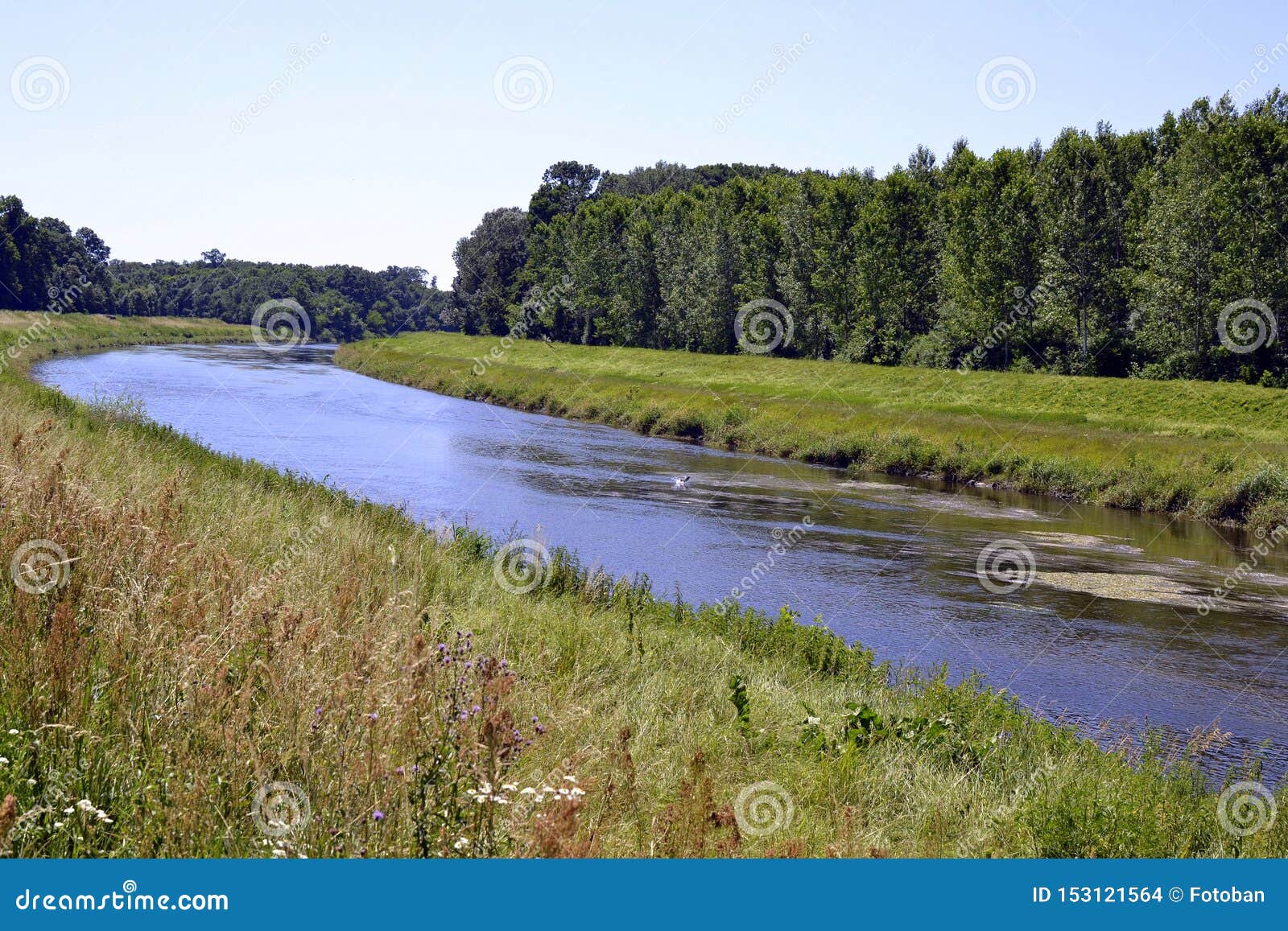
River Thaya on Lower Course in Dry Season Stock Photo Image of thaya
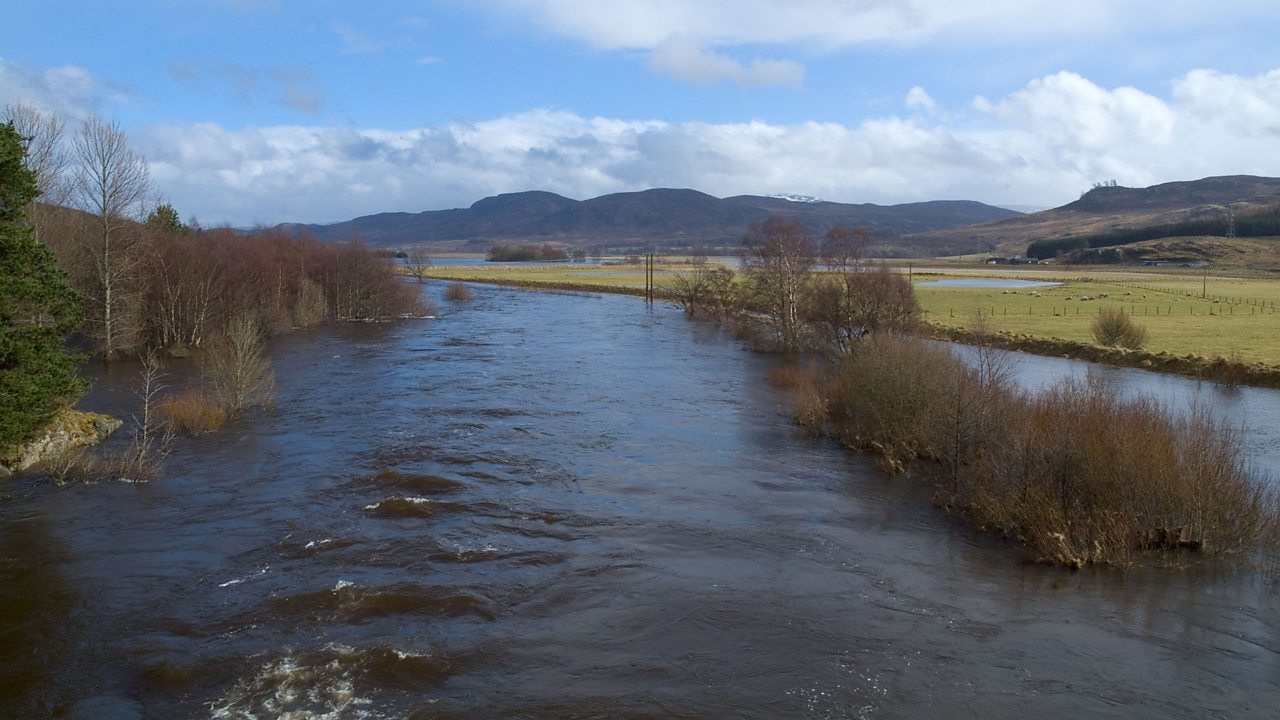
Scotland Geography Rivers Lower course P5, P6, P7 Second
1) In The Lower Course Of The River The Gradient Is Gentler Than In The Upper Course.
This Is Where The River Flows Into Another Body Of Water, Like The Sea Or Another River.
What Is The Lower Course Of A River?
The Lower Course Of A River Is The Section Where The River Approaches Its Mouth And Typically Flows Through Flatter Terrain.
Related Post: